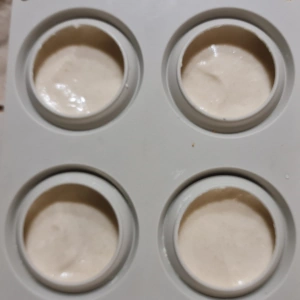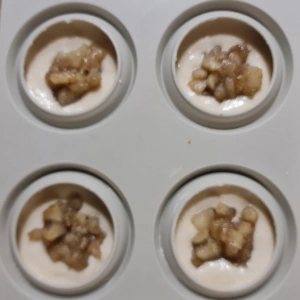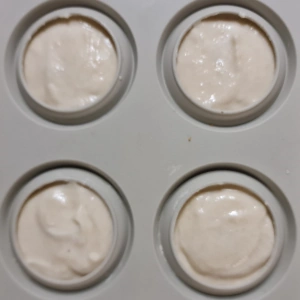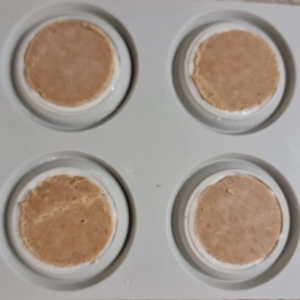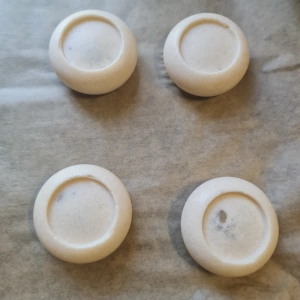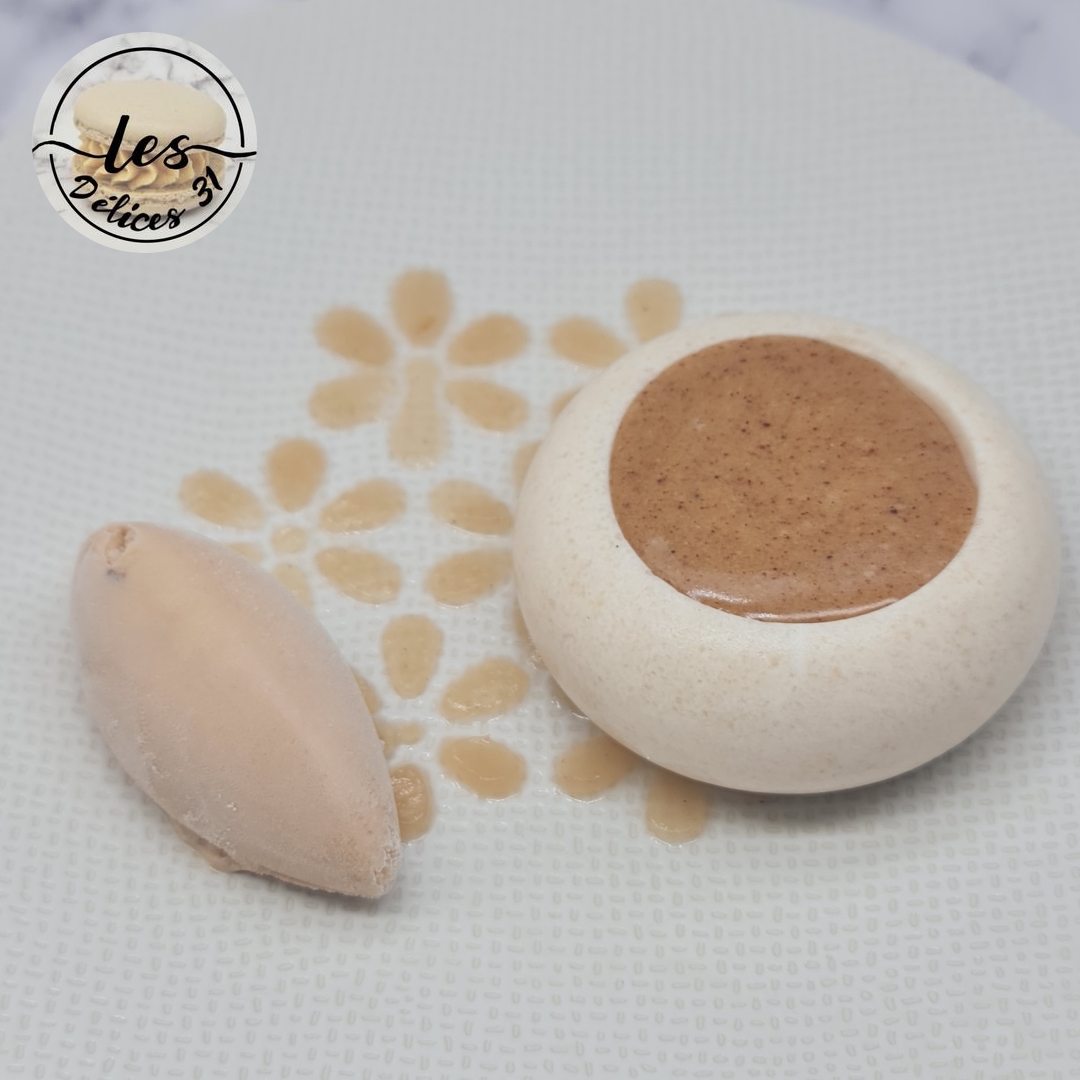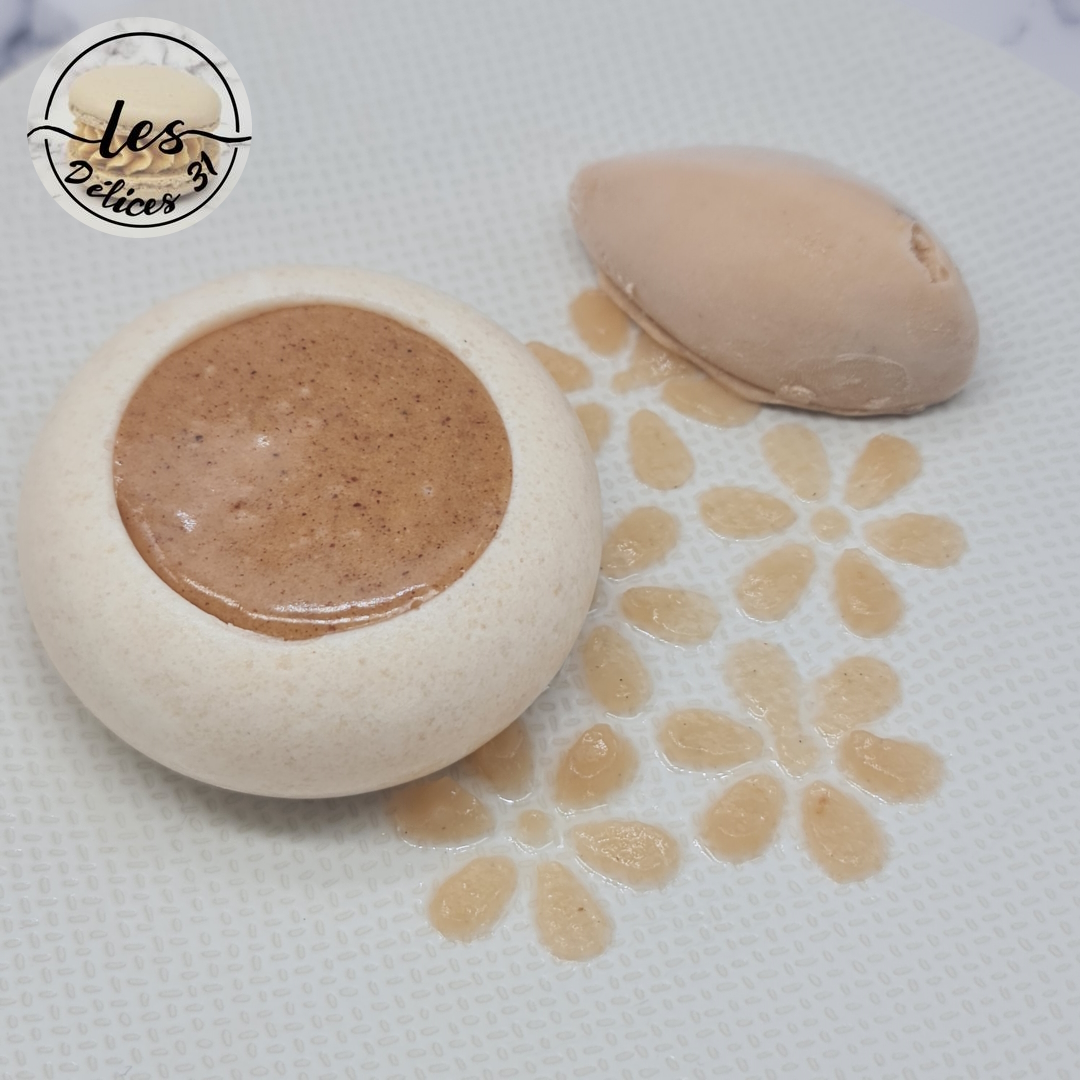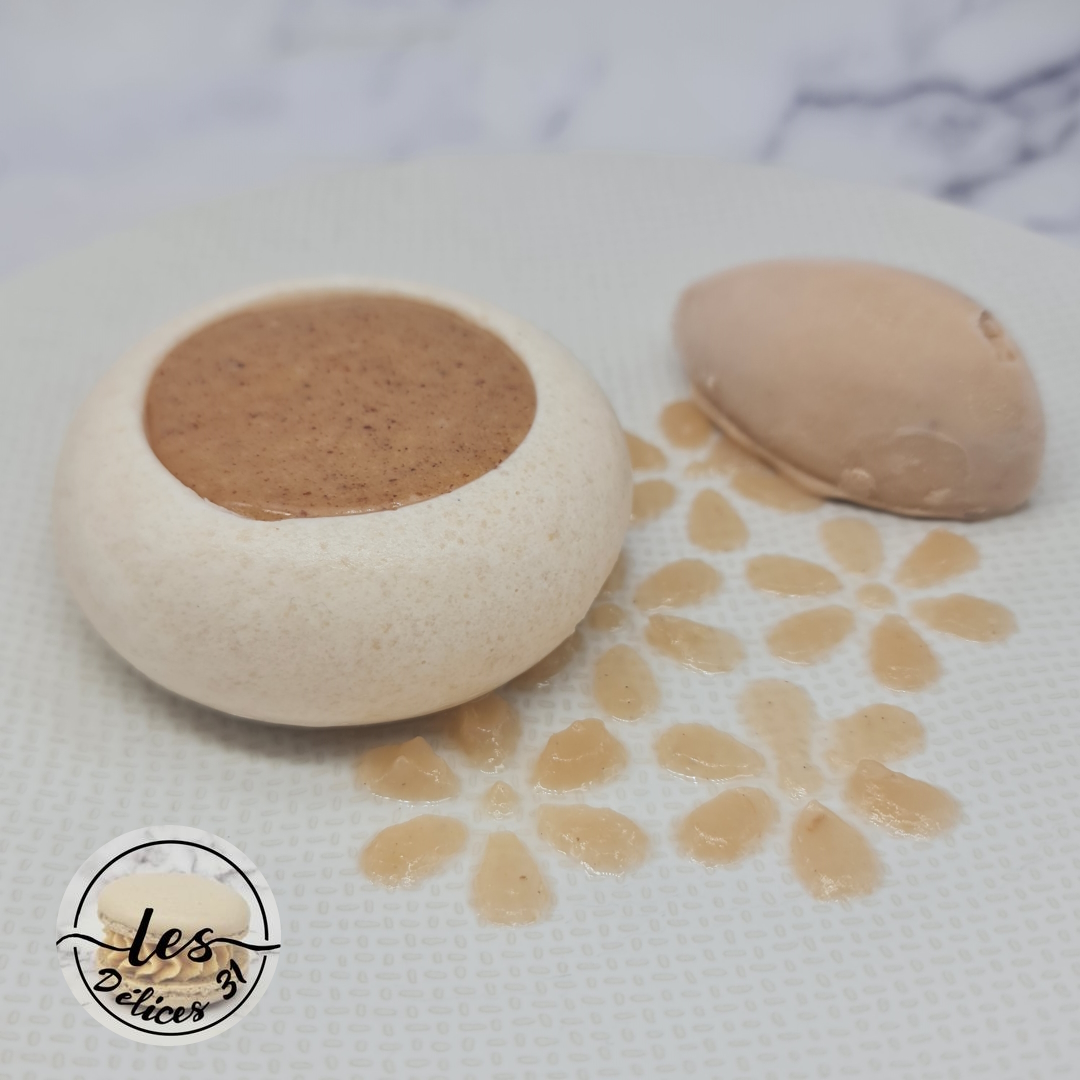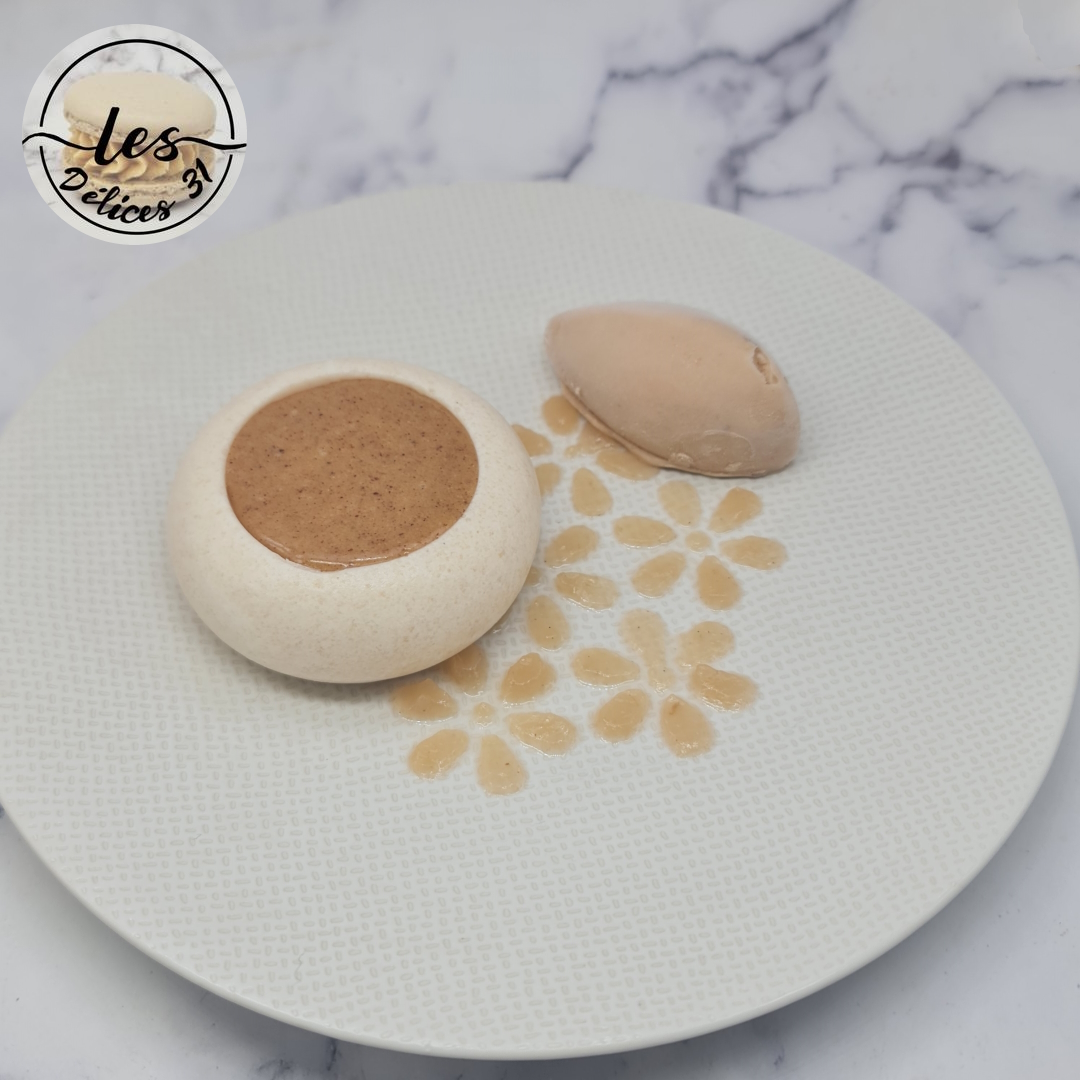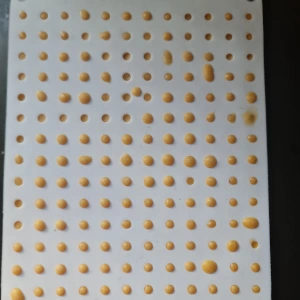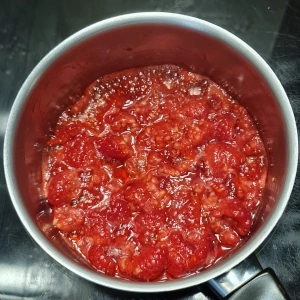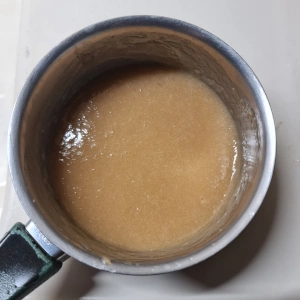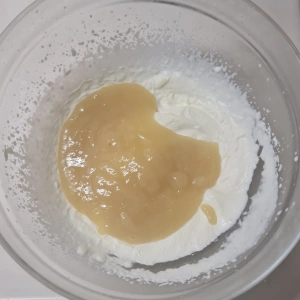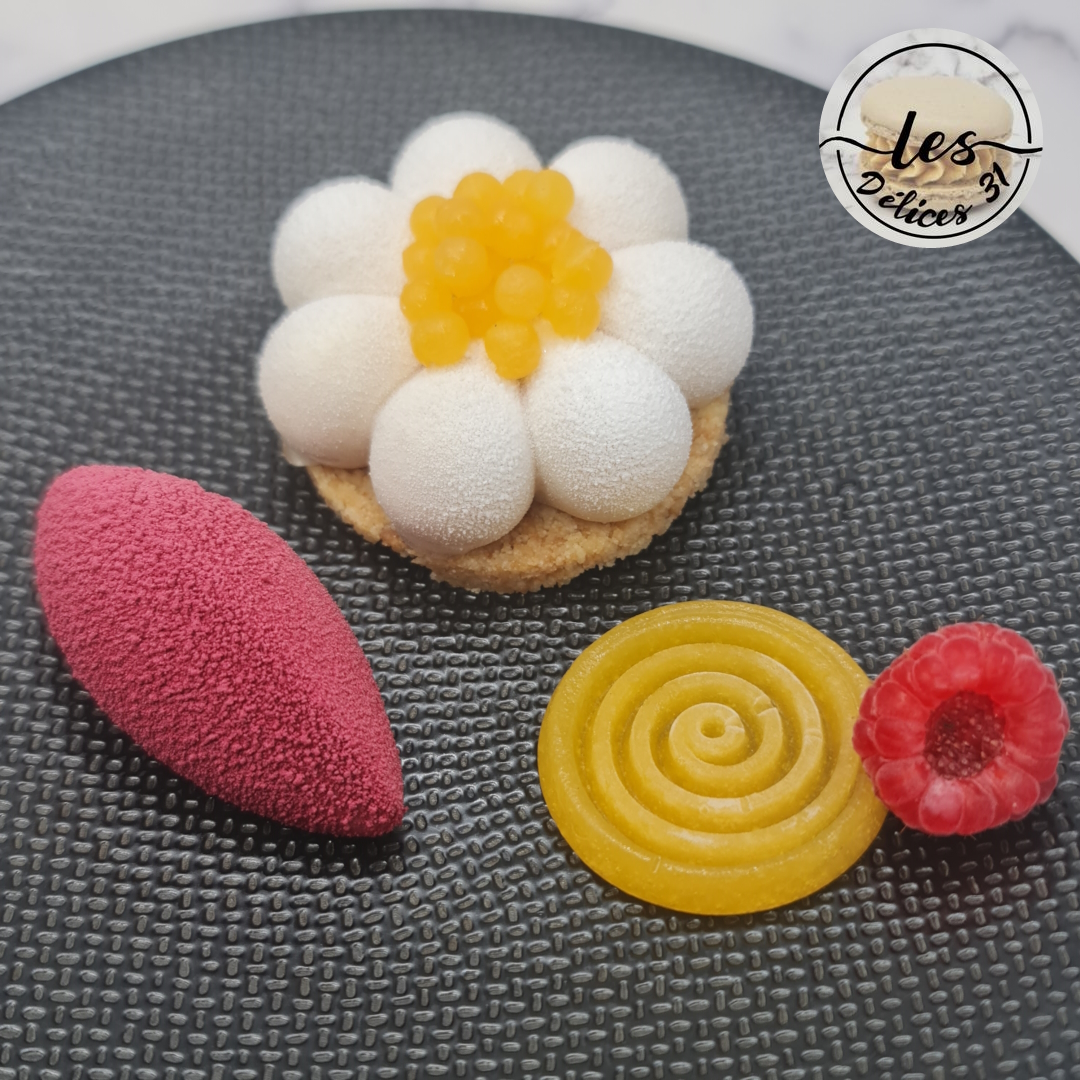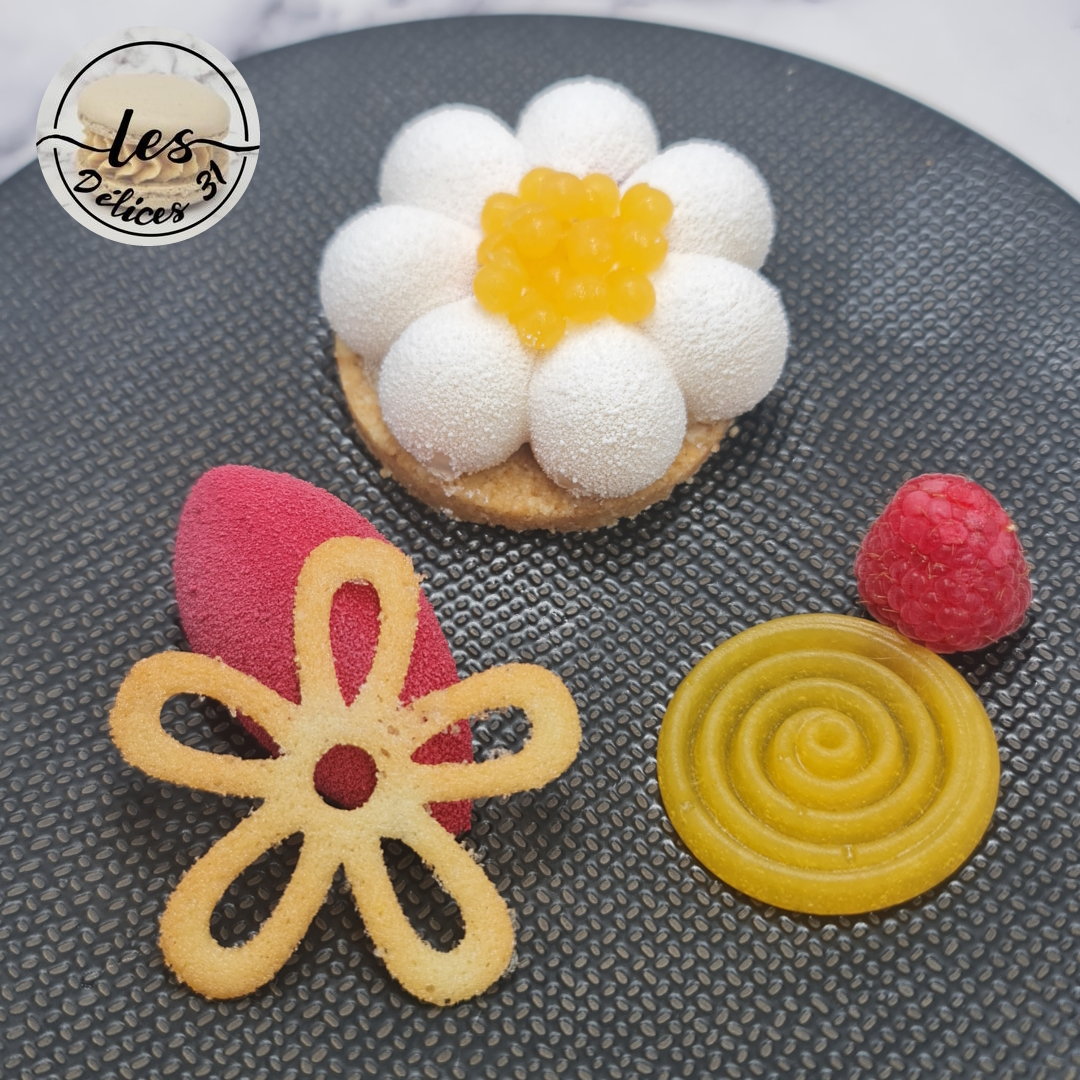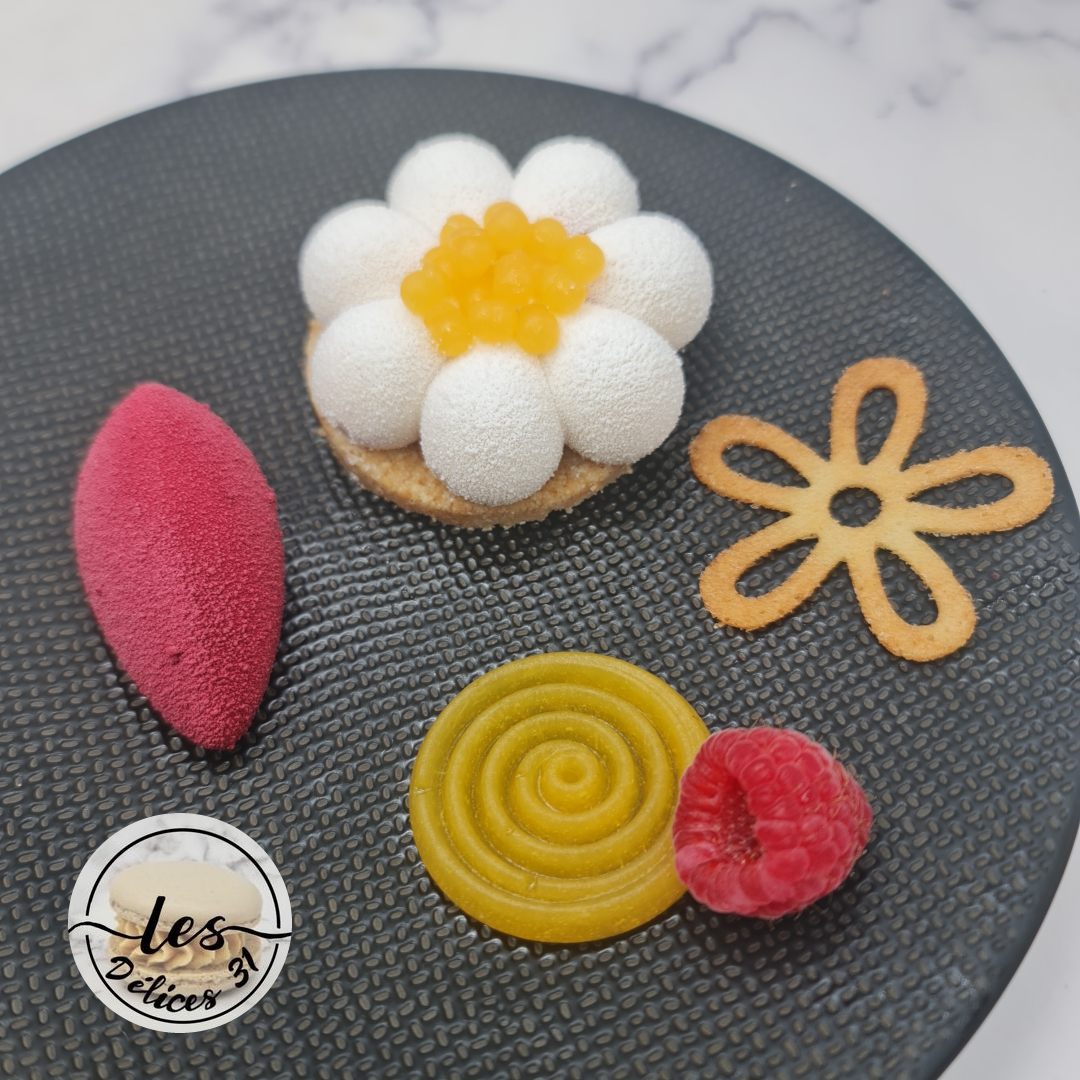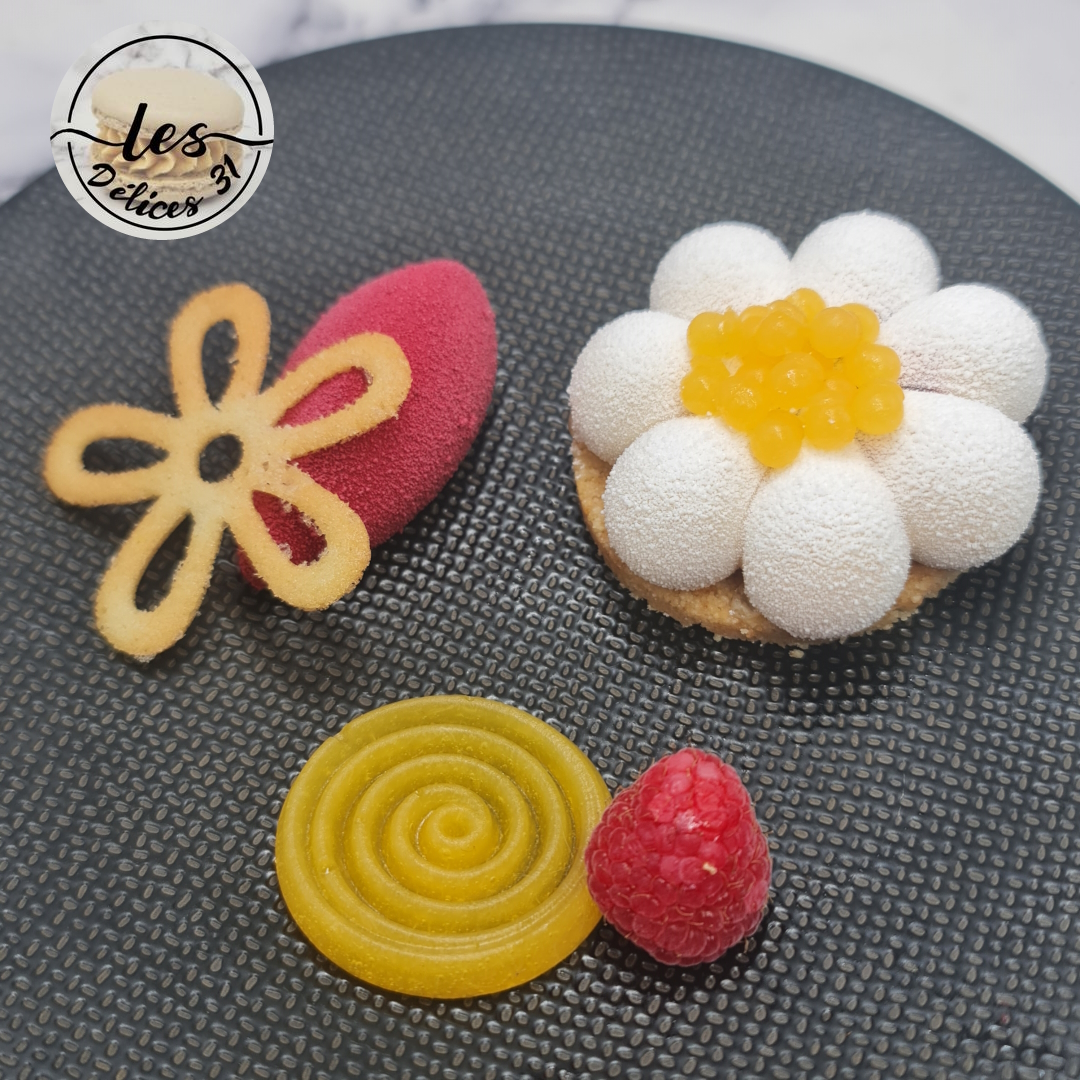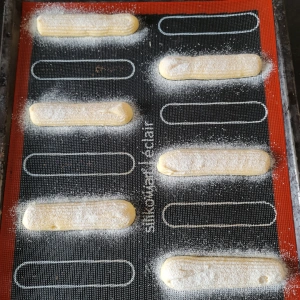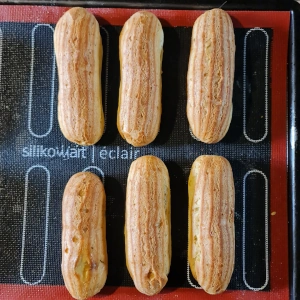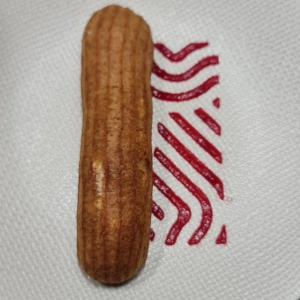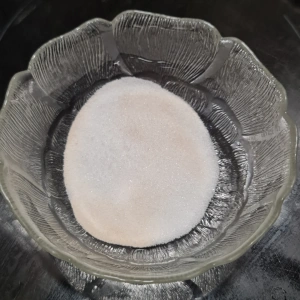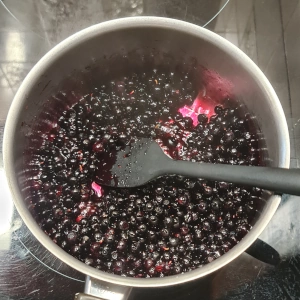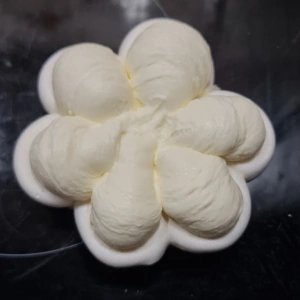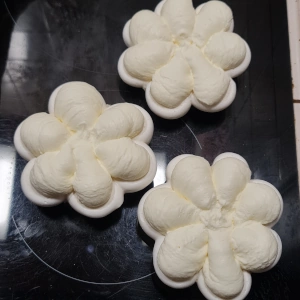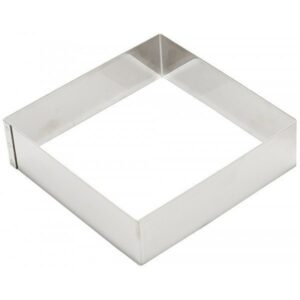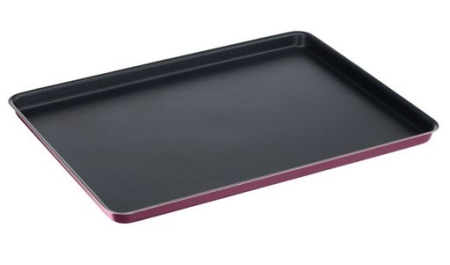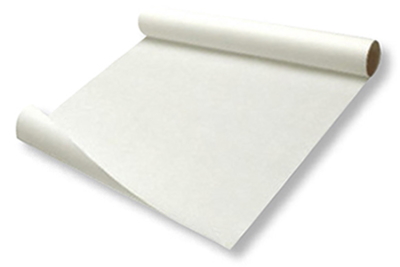

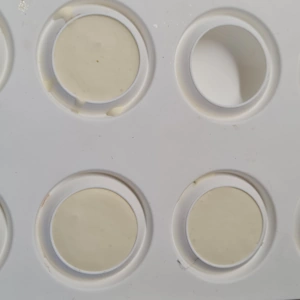

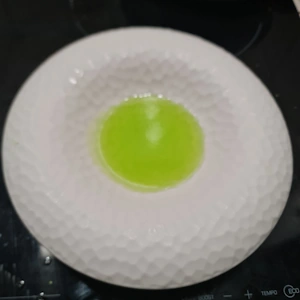
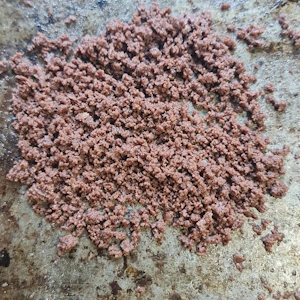
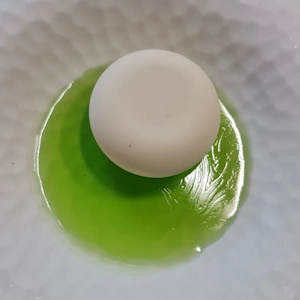

Spread the pistachios on a baking tray and bake at 150°C for 15 minutes. Place the caster sugar in a saucepan and make a caramel. Pour onto a sheet of baking paper and leave to cool. Place the pistachios and the chopped caramel in the bowl of a food processor and blend until you have a praline.
Pistachio Dacquoise ✔100 g icing sugar ✔90 g ground pistachios ✔30 g ground almonds ✔150 g egg whites ✔75 g caster sugar
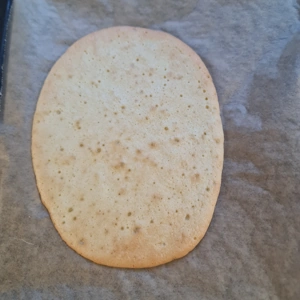
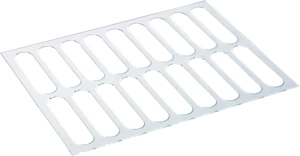
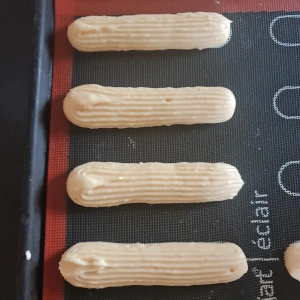
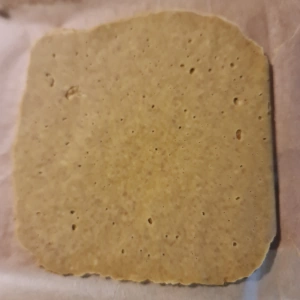
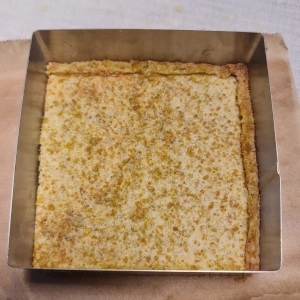
Preheat the oven to 180°C. Sift together the ground almonds, ground pistachios and icing sugar. In another bowl, whisk the egg whites until stiff, gradually adding the caster sugar. Gently fold in the dry ingredients. Pipe onto a baking tray using a piping bag fitted with a plain nozzle.
Sprinkle with some chopped pistachios and bake in the oven for 12 minutes.
Pistachio praline butter cream ✔3 egg yolks ✔150 g caster sugar ✔60 g water ✔180 g softened butter ✔100 g praline
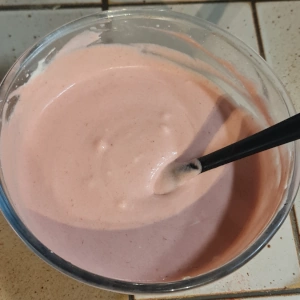
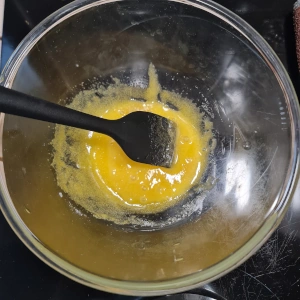
Pour the water and caster sugar into a saucepan and heat to 121°C. Place the egg yolks in the bowl of a food mixer and begin whisking when the syrup reaches 115°C. When the syrup reaches 121°C, pour it over the egg yolks and whisk until cooled.
Once the mixture has cooled, gradually add the softened butter, cut into pieces, whilst stirring at low speed. The butter should be at the same temperature.
Finally, add the pistachio praline and mix.
Assemble the dessert
Place your first dacquoise biscuit on your serving plate.
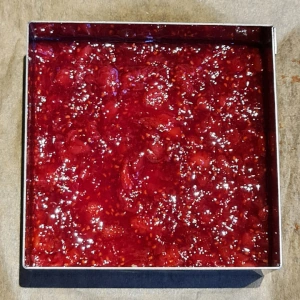
Arrange the raspberries on top.
Pipe the buttercream around the raspberries using a plain piping nozzle.
Place the second dacquoise biscuit (the one covered with chopped pistachios) on top.
Chill for at least 3 hours. The butter will harden again.
The sponge cake ✔2 eggs ✔55 g sugar ✔30 g flour ✔30 g cornflour
Mousseline cream ✔200 g of milk ✔45g of sugar ✔2 egg yolks ✔7 g of flour ✔70 g butter ✔7 g cornflour ✔liquid vanilla or vanilla pod + ✔70 g softened butter
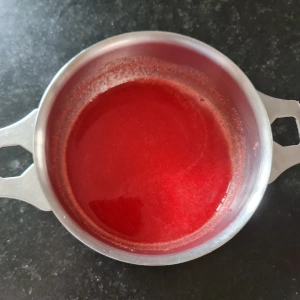
The jelly ✔130g puréed strawberries ✔15g caster sugar ✔2g gelatine
Assembly and decoration ✔Strawberries
Syrup ✔30g caster sugar ✔30g water ✔A dash of alcohol
The recipe
Serves 4–6
The sponge cake ✔2 eggs ✔55 g sugar ✔30 g flour ✔30 g cornflour
In a bowl, whisk the eggs and sugar, place the bowl over a bain-marie and whisk until the mixture reaches 55°C. Pour into the bowl of the food processor and whisk until completely cooled. The mixture will double in volume. Then sift the flour and cornflour over the top. Stir gently. Bake in an oven preheated to 210°C, then immediately reduce the temperature to 190°C for 12 to 15 minutes. Once cooled, cut out two circles slightly smaller than your pastry ring.
Mousseline cream ✔200 g of milk ✔45g of sugar ✔2 egg yolks ✔7 g of flour ✔70 g butter ✔7 g cornflour ✔liquid vanilla or vanilla pod + ✔70 g softened butter
Heat the milk and vanilla. In a bowl, mix the egg yolks, sugar, flour and cornflour. Pour in the hot milk, stir, then return to the saucepan. Stir until the custard thickens. Remove from the heat, add 70g of butter, cut into cubes, and blend. Cover with cling film and leave the custard to cool completely. In the bowl of the food processor, whip the remaining 70g of butter until creamy. Then gradually add the chilled mousseline cream to room temperature (the same temperature as the butter). Be sure to use standard butter, not softened or low-fat, as it will harden again when chilled and give the cream and the strawberry cake its structure. Assembly Place a 14cm diameter pastry ring on your plate. Place a sheet of parchment paper. Arrange strawberries cut in half all around. Place the first sponge cake layer at the bottom. Brush this sponge with a sugar syrup mixed with rum or kirsch.
Syrup ✔30g caster sugar ✔30g water ✔A dash of alcohol
In a small saucepan, combine 30g of caster sugar and 30g of water, then heat until it comes to the boil. Remove from the heat and add a small dash of alcohol. Mix well.
Pipe on some mousseline cream, a few strawberries cut into pieces, some cream, the second sponge cake layer soaked in syrup and finish with a little cream. Smooth the surface with an offset spatula, then chill for at least 4 hours to allow the butter to set and give your strawberry cake its structure.
The jelly ✔130g blended strawberries ✔15g caster sugar ✔2g gelatine
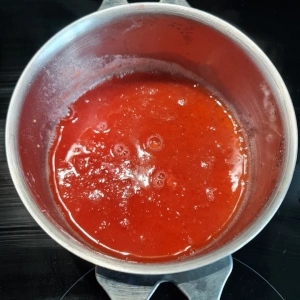
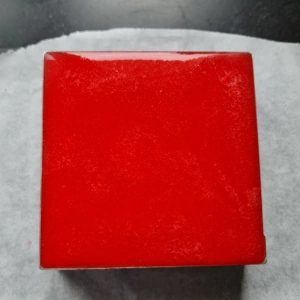
Blend 130g strawberries and strain to remove the seeds. Pour the strawberries into a saucepan with 15g caster sugar. Place over the heat. Remove from the heat and add 2g gelatine, which has been softened in a bowl of cold water and squeezed dry. I added a drop of red food colouring as the strawberries lose their colour when heated. Stir, then leave to cool before pouring over your cake. I wrapped a second sheet of Rhodoid film around my cake so I could pour the jelly over it. Place in the fridge until the jelly sets.
Garnish with strawberries.
Remember to remove the plastic wrap before serving your cake.
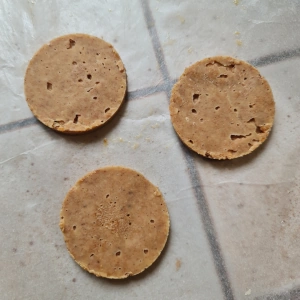
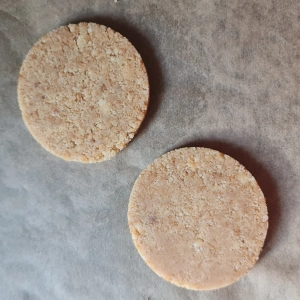
Melt the white chocolate in the microwave. Add the crumbled crêpes dentelles and the speculoos paste. Mix gently. Roll out between two sheets of baking paper and place in the freezer. Remove from the freezer and cut out using a cookie cutter the same diameter as your mould. Place back in the freezer until ready to assemble.
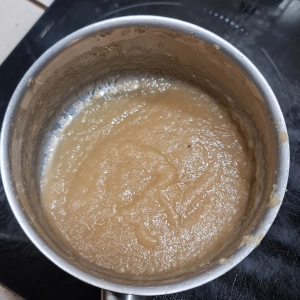
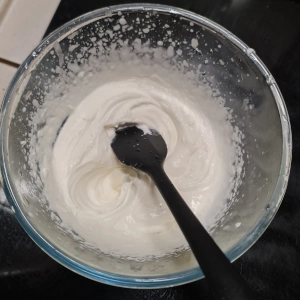
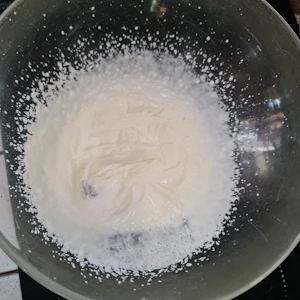
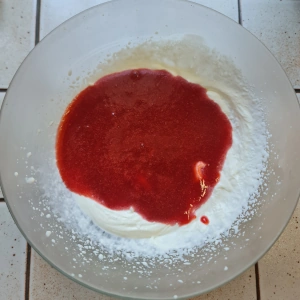
Blend the raspberries and strain to remove the seeds. Place the gelatine leaves in a bowl of cold water. Pour the raspberries into a saucepan with the caster sugar and heat. Remove from the heat, add the drained and softened gelatine. Mix and set aside. In a bowl, pour in the very cold single cream and whip with an electric mixer together with the sugar.
Add the mixture from the previous step and stir gently.
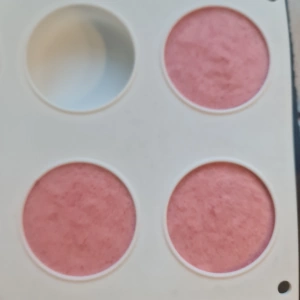
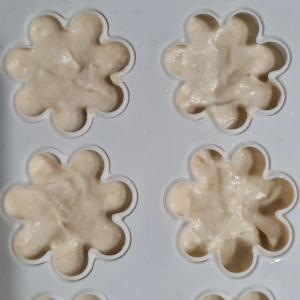
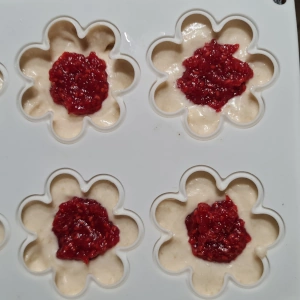
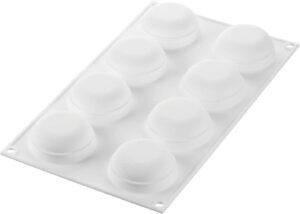
Fill the Silikomart single-portion mould with raspberry mousse. Top with the crispy speculoos biscuit. Place in the freezer for at least 3 hours.
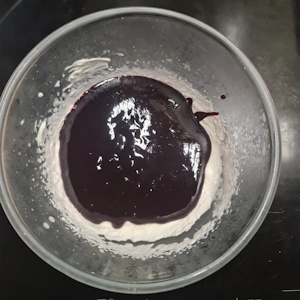
Blend the raspberries and strain them to remove the seeds. Pour the raspberries into a saucepan with the caster sugar. Place over the heat. Remove from the heat and add the gelatine, which has been softened in a bowl of cold water and squeezed dry. Stir, then leave to cool slightly before pouring into your Pavoni raspberry mould. Place in the fridge until the jelly sets, then transfer to the freezer.
The next day, make the rest of the recipe: the compote and the tuile.
Red Berry Compote ✔100g red berries (65g strained) ✔10g sugar ✔1g NH pectin
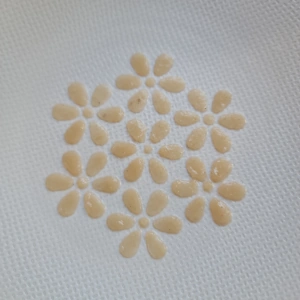
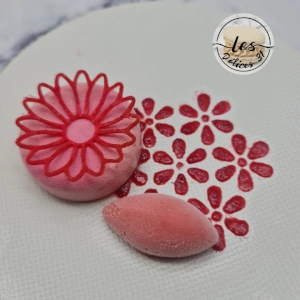
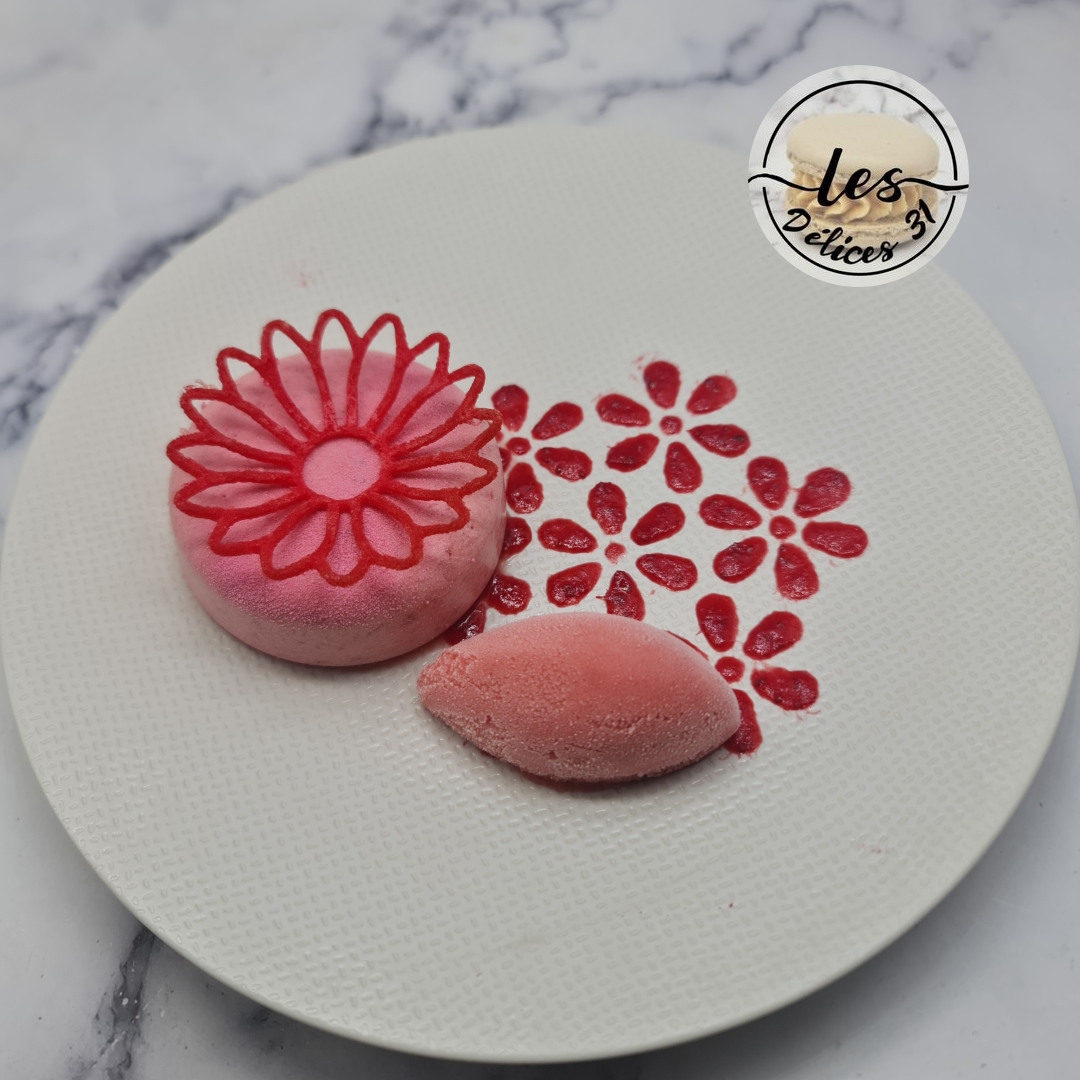
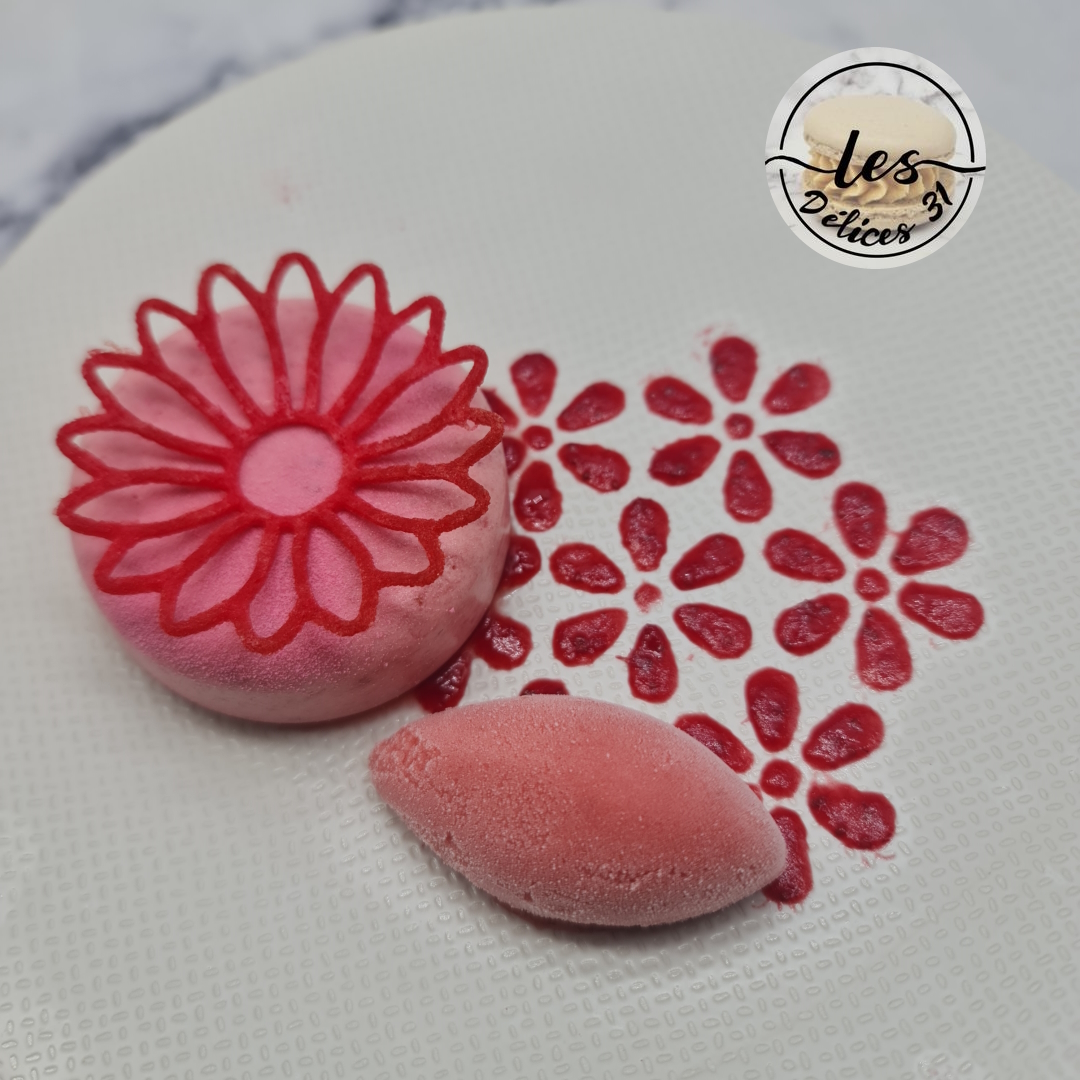
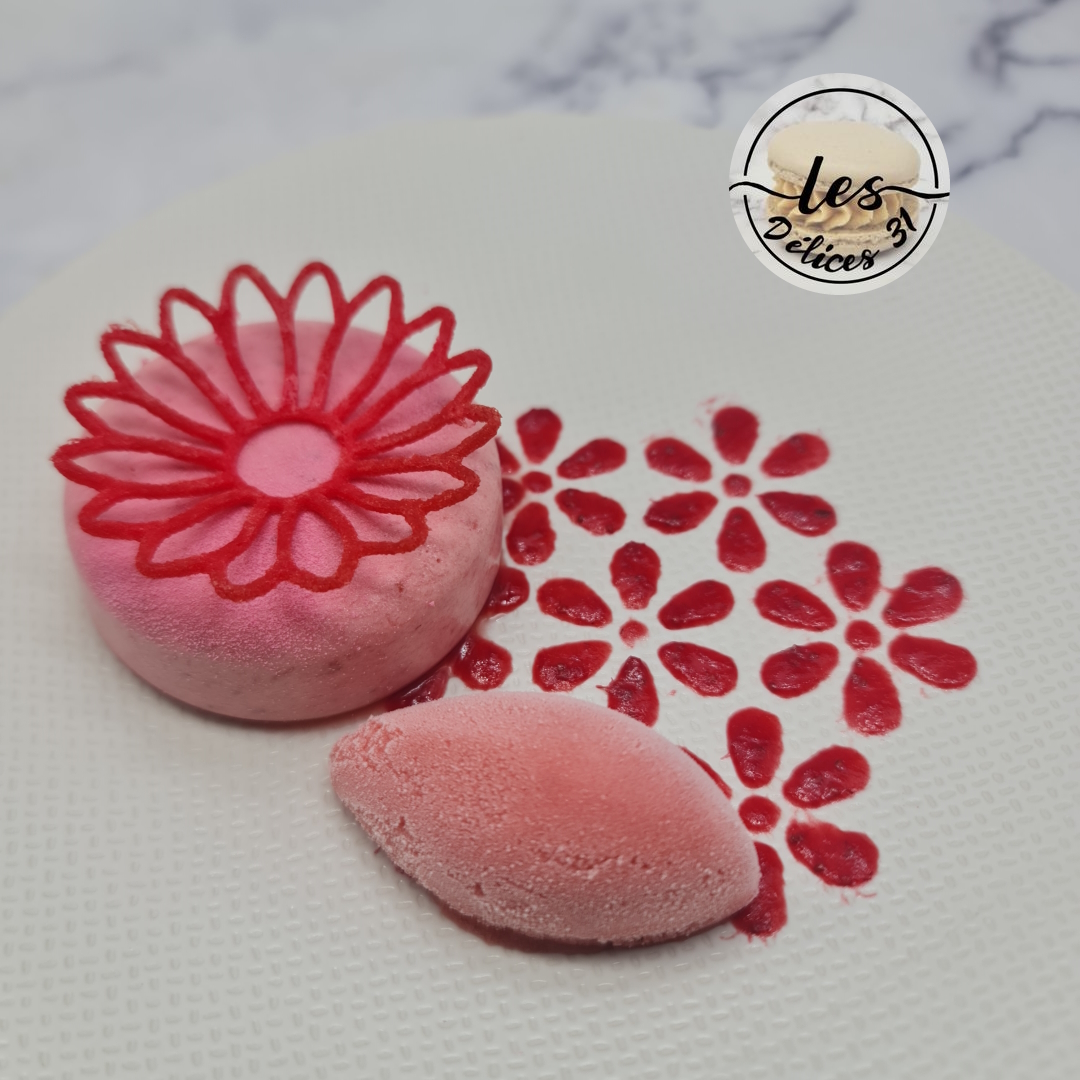
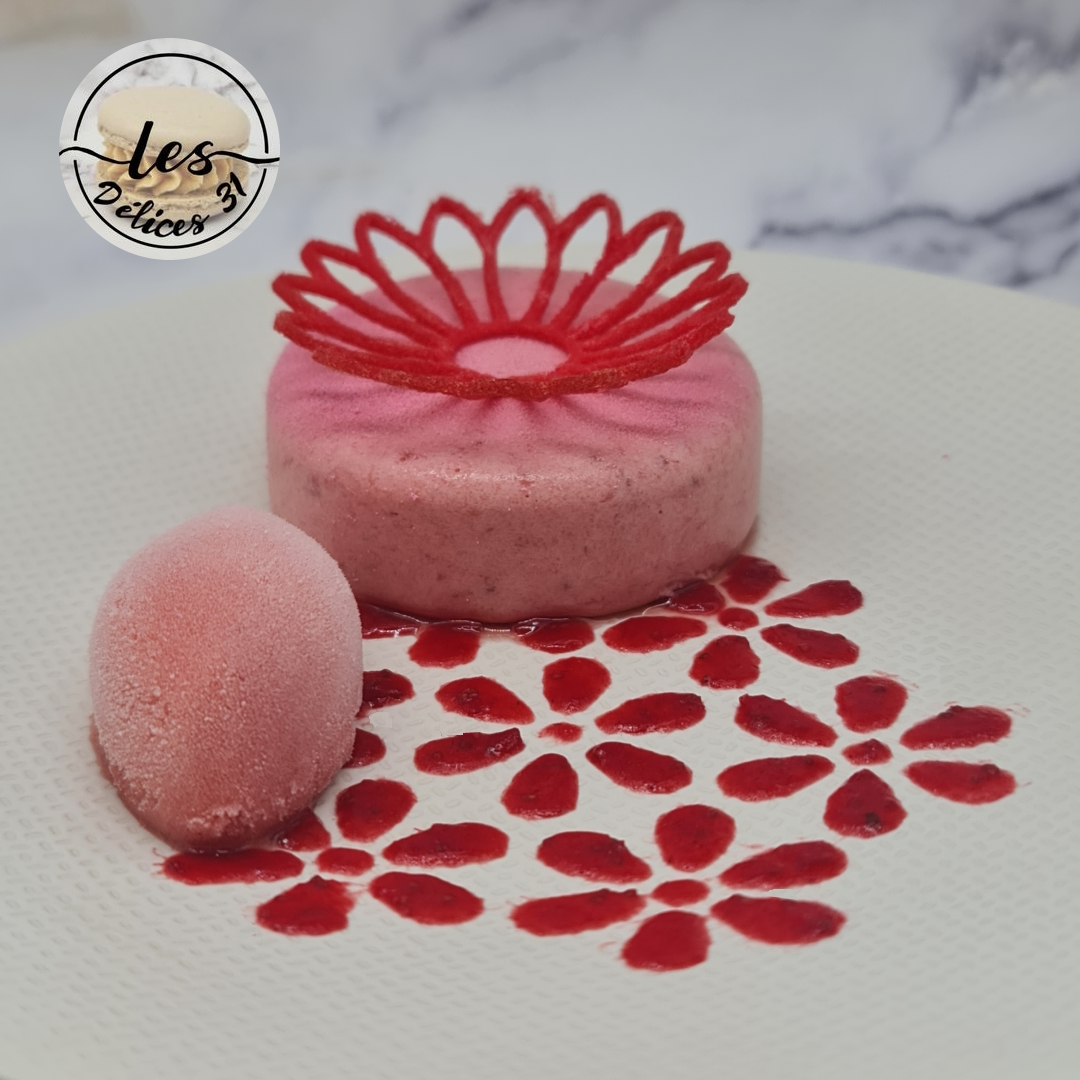
In a saucepan, heat the blended and strained raspberries. Add the sugar and pectin mixture and cook, stirring constantly, for 2 minutes. Allow to cool slightly before piping onto your serving plate using a Silikomart stencil.
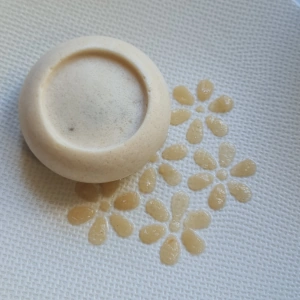
Position the stencil correctly. Spread the compote using a spatula. Gently lift the stencil. Rinse it and repeat the process for each plate.
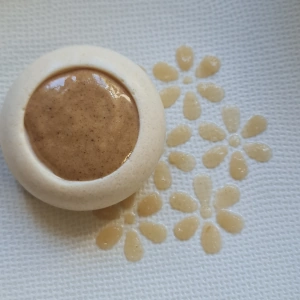
Turn out your desserts. Place a dessert in the centre of your plate. Take your raspberries in jelly out of the freezer. Leave them to defrost before carefully separating the raspberries and placing them on top of your dessert.
Tuile ✔15g butter ✔15g flour ✔15g egg white ✔15g sugar ✔4 drops of natural wild berry flavouring
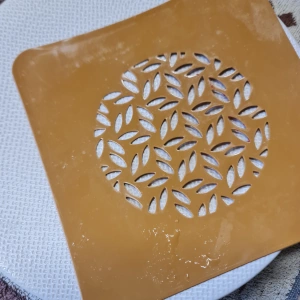
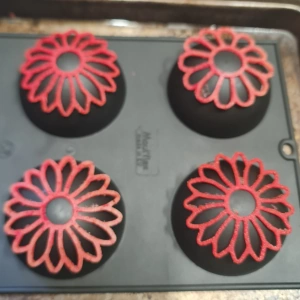
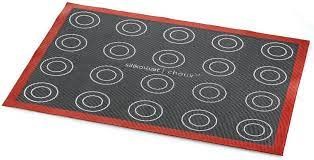
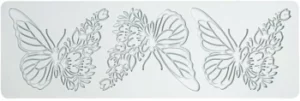
Mix all the ingredients together. Fill the lace-patterned tuile mould. Smooth the surface with an offset spatula to remove any excess. Bake in a preheated oven at 170°C for 6–8 minutes (this may vary depending on your oven). Remove from the mould immediately after taking out of the oven. Be careful, as they harden very quickly and become brittle. Handle with care. Set aside until ready to assemble.
Whisk the egg whites with the caster sugar until stiff. Sift the desiccated coconut and icing sugar over the mixture. Fold in gently. Pipe the dacquoise onto a sheet of baking paper roughly the length of your tin and bake at 170°C for 12 to 15 minutes. Leave to cool. Cut out circles using a cookie cutter the same diameter as your tin. Set aside.
Mango and passion fruit filling ✔120g mango and passion fruit purée ✔1g gelatine ✔15g caster sugar
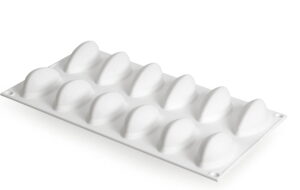
Place the gelatine sheet in a large bowl of cold water. In a saucepan, heat the mango and passion fruit purée with the caster sugar until it comes to the boil. Remove from the heat, add the squeezed gelatine, leave to cool slightly, then pour into your Silikomart Eggs mould. Chill for 1 hour, then freeze for at least 4 hours.
Place the gelatine leaves in a bowl of cold water. In a small saucepan, heat the 200g coconut cream with the caster sugar until it comes to the boil. Remove from the heat, add the squeezed gelatine. Stir and set aside. Pour in the mixture (once it has cooled to below 30°C) and stir gently.
Assembly
Fill the striped egg-shaped silicone mould halfway with coconut mousse.
Add the frozen mango and passion fruit mixture. Top with coconut mousse.
Finish with the dacquoise biscuit.
Place in the freezer overnight.
The next day, turn the desserts out of their moulds and immediately apply the white velvet spray. Place each egg on a serving plate and chill for at least 4 hours to allow it to thaw.
Dice some fresh mango into small cubes and arrange them around your egg.
Preheat the oven to 170°C. Sift the ground almonds and icing sugar together. Beat the egg whites with the sugar until stiff. Gently fold in the dry ingredients. Pour into the tin and bake for 10–12 minutes until it begins to brown. Leave to cool before cutting out two circles with a smaller diameter than your ring.
Hazelnut and almond praline ✔50g hazelnuts ✔50g almonds ✔50g caster sugar Spread the hazelnuts out on a baking tray and bake at 150°C for 15 minutes. In a saucepan, add the caster sugar and make a caramel. Pour onto a sheet of baking paper and leave to cool. Place the hazelnuts (rubbed beforehand to remove as much skin as possible), the almonds and the caramel (cut into pieces) into the bowl of a food processor and blend until you have a praline.
Soak the gelatine sheet in a bowl of cold water until softened. In a bowl, mix the egg yolks with the caster sugar.
Heat the milk in a saucepan. Remove from the heat and pour it over the egg yolk and sugar mixture, stirring continuously. Return the mixture to the saucepan over a low heat and cook until it reaches 82°C. Remove from the heat and add the gelatine, stirring well. Pour this hot custard over the chocolate, stirring with a whisk until it has melted. Set aside.
Heat the milk in a saucepan. Remove from the heat and pour it over the egg yolk and sugar mixture, stirring constantly. Return the mixture to the saucepan over a low heat and cook until it reaches 82 °C. Remove from the heat and add the gelatine, stirring well. Pour this hot custard over the chocolate and whisk until it has melted. Set aside.
Whisk the egg whites until stiff, then fold them into the cream in two or three batches, gently folding with a spatula after each addition.
Assemble your cake.
Assembly
Line the base of your dessert ring with cling film.
Fill the base of your ring with chocolate mousse, making sure to cover the sides thoroughly.
Add the first dacquoise biscuit.
Top up with the remaining chocolate mousse.
Finish with the biscuit topped with the crunchy layer. Place in the freezer overnight.
The next day, turn your cake out of the tin and spray the top with brown velvet spray. (I placed a sheet of Rhodoid film all around it whilst applying the spray, then removed it).
For the decoration, I melted a little milk chocolate in the microwave and piped it onto the cake. I had placed some baking trays or slates in the freezer a few hours beforehand so that they were nice and cold. I piped the chocolate in a circular pattern; it hardened quickly on contact with the cold. Work quickly to shape it into a nest and place it on your cake.
Spread the hazelnuts out on a baking tray and bake at 150°C for 15 minutes. Place the caster sugar in a saucepan and make a caramel. Once it has turned a rich golden colour, pour it onto a sheet of baking paper and leave to cool. Place the hazelnuts (having first removed the skins) and the cooled caramel, cut into pieces, into the bowl of a food processor and blend until you have a praline. You will have a little praline left over to use in other recipes.
Pour the praline into the silicone mould with inserts and place in the freezer for at least 6 hours.
Chocolate mousse ✔100g milk chocolate ✔100g single cream ✔2g gelatine ✔100g single cream
Soak the gelatine in very cold water.
In a saucepan, heat the 100g of single cream. Remove from the heat, add the squeezed gelatine and the milk chocolate, previously melted in a bain-marie or in the microwave. Mix and set aside.
In a second bowl, whip the remaining single cream with an electric whisk and fold it into the previous mixture, which has cooled to below 30°C.
Assembly
Fill your tin three-quarters full with the chocolate mousse.
Add the hazelnut praline filling.
Top with the remaining chocolate mousse.
Place in the freezer overnight.
Hazelnut biscuit ✔25g ground hazelnuts ✔25g sugar ✔12g flour ✔15g brown butter ✔1 egg yolk ✔1 egg white
Place the hazelnut powder, sugar and flour in a bowl. Add the egg and melted butter. Mix together. In another bowl, beat the egg white with an electric mixer. Gently fold this beaten egg white mixture into the previous mixture.
Pour onto a baking tray lined with baking paper, smooth the surface with an offset spatula to ensure an even thickness, and bake at 170–180°C.
Leave your biscuit to cool.
Next, cut out circles of the same diameter as those for your hazelnut shortbread biscuits.
Melt the white chocolate in the microwave. Add the crumbled crêpes dentelles and the hazelnut praline. Mix gently. Roll out between two sheets of baking paper and place in the freezer.
Take them out of the freezer and cut out circles to match the diameter of your nest. Place them back in the freezer until you’re ready to assemble them.
Dressage
Place a crispy disc at the bottom of each plate, topped with a hazelnut biscuit disc.
White chocolate spaghetti ✔80g milk ✔90g water ✔1 sachet of agar-agar ✔85g white chocolate ✔1 capful of alcohol
Pour the milk, water and the sachet of agar-agar into a saucepan. Stir until the agar-agar has completely dissolved. Add the white chocolate. Heat, stirring constantly, until it comes to the boil. Remove from the heat and add a little alcohol to flavour your spaghetti.
Using a syringe, draw up a little of the liquid. Place a tube at the end of your syringe. Squeeze the liquid into the tube.
Place your hose in a bowl filled with cold water and ice cubes, leaving the ends out of the water, for 3 minutes.
Fill your syringe with air and squeeze the spaghetti out of the tube directly onto your serving plate.
Repeat this very quickly before the liquid cools down too much, as it will then be very difficult to shape the spaghetti.
Chocolate glaze ✔White chocolate chips ✔A few milk chocolate chips ✔Cocoa butter or neutral oil
Place the white chocolate chips in a small glass with a little neutral oil or cocoa butter and put in the microwave. Stir, then add a few milk chocolate chips to darken the chocolate slightly.
Dip each egg into the chocolate glaze using a wooden skewer, then place it on your plate.
Repeat this process for all your eggs.
Place your plates in the fridge until ready to serve.
Spread the pistachios on a baking tray and bake at 150°C for 15 minutes. In a saucepan, add the caster sugar and make a caramel. Pour onto a sheet of baking paper and leave to cool. Place the pistachios and the chopped caramel in the bowl of a food processor and blend until you have a praline.
Mix the praline, melted white chocolate and crumbled crêpes dentelles. Roll out between two sheets of baking paper and place in the freezer for a few minutes. Cut into rectangles to fit your tin. Place in the freezer.
Orange Blossom Mousse ✔50g single cream ✔50g white chocolate ✔120g chilled single cream ✔18g orange blossom water ✔2g gelatine
Melt the white chocolate in the microwave or in a bain-marie.
Heat the 50g of single cream in a small saucepan. Pour over the melted white chocolate. Mix well. Add the gelatine (well-squeezed and previously softened in a bowl of cold water) and the orange blossom water. Set aside.
Whip the very cold single cream (120g) using an electric whisk.
Gently fold in the cooled mixture using a spatula.
Assembly
Fill the silicone mould with orange blossom mousse, making sure to cover the sides well.
Pipe the pistachio praline using a piping bag.
Spread the remaining orange blossom mousse.
Finish with the crispy pistachio praline biscuit.
Place in the freezer overnight.
The next day, turn the desserts out of their moulds and immediately apply the white velvet spray.
I placed the dessert on my serving plate. I arranged some small white chocolate eggs on top. I served the dessert with red berries.
The sponge cake ✔2 eggs ✔55 g sugar ✔30 g flour ✔30 g cornflour
In a bowl, whisk the eggs and sugar, place the bowl over a bain-marie and whisk until the mixture reaches 55°C.
Pour into the food processor bowl and whisk until completely cooled. The mixture will double in volume.
Then sift the flour and cornflour over the mixture. Stir gently.
Pour onto a baking tray lined with baking paper. Smooth the surface with an offset spatula.
Place in an oven preheated to 210°C, then immediately reduce the temperature to 180°C and bake for 8–9 minutes. Once cooled, turn out onto a sheet of baking paper and carefully remove the baking paper used during baking.
Cut out two circles that are smaller than your tin. Set them aside for assembly.
Diplomat cream ✔200 g milk ✔35 g sugar ✔2 egg yolks ✔18 g butter ✔17g cornflour ✔liquid vanilla or vanilla pod ✔2.5g gelatine + ✔125g single cream
Heat the milk and vanilla in a saucepan. In a bowl, mix the egg yolks, sugar and cornflour. Pour in the hot milk, stir, then return to the saucepan. Mix until the cream thickens. Remove from the heat, add the diced butter and the gelatine (previously softened in a large bowl of cold water) and mix. Cover with cling film and leave the cream to cool completely.
Whip the liquid cream (min. 32% fat) using an electric whisk. Add the cooled custard; it must be at the same temperature as the whipped cream.
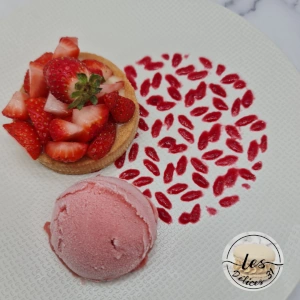
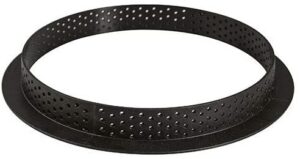
Assembly Place your dessert ring on your plate. Place a 4.5 cm high sheet of Rhodoid, held in place with a piece of tape. Arrange halved strawberries all around the edge. Place your first sponge cake layer at the bottom. Brush this layer with a sugar syrup flavoured with rum or kirsch.
For the syrup
In a small saucepan, combine 30g caster sugar and 30g water, then heat until boiling. Remove from the heat and add a small dash of alcohol. Mix well.
Pipe some diplomat cream, a few strawberries cut into pieces, some cream, the second sponge cake layer soaked in syrup and finish with a little cream. Smooth the surface with an offset spatula, cover with cling film, then chill for at least 2 hours to allow the cream to set and give your strawberry cake its structure.
Whip the cream. In a mixing bowl, pour in the well-chilled single cream (minimum 30% fat content to ensure it whips properly) and the mascarpone. Whisk with an electric mixer, gradually incorporating the caster sugar. Fill a piping bag fitted with a plain nozzle.
Pipe the whipped cream onto the top of your strawberry cake.
Remove the ring and the plastic film before serving.
Mix all the ingredients together. Fill the tuile mould. Smooth with an offset spatula to remove any excess. Bake in a preheated oven at 170°C for 7–8 minutes (this may vary depending on your oven). Remove from the mould immediately after taking them out of the oven. Be careful, as they harden very quickly and become brittle. Handle with care. Set aside until ready to assemble.
Chill until ready to serve.
Pour the mango coulis around the edge of your panna cotta and place the tuile on top. Finish with the remaining diced mango.
I placed a small piece of edible gold leaf on top.
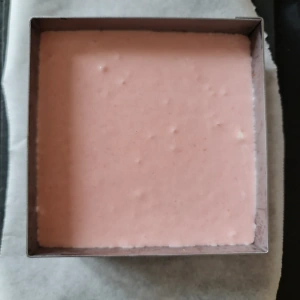
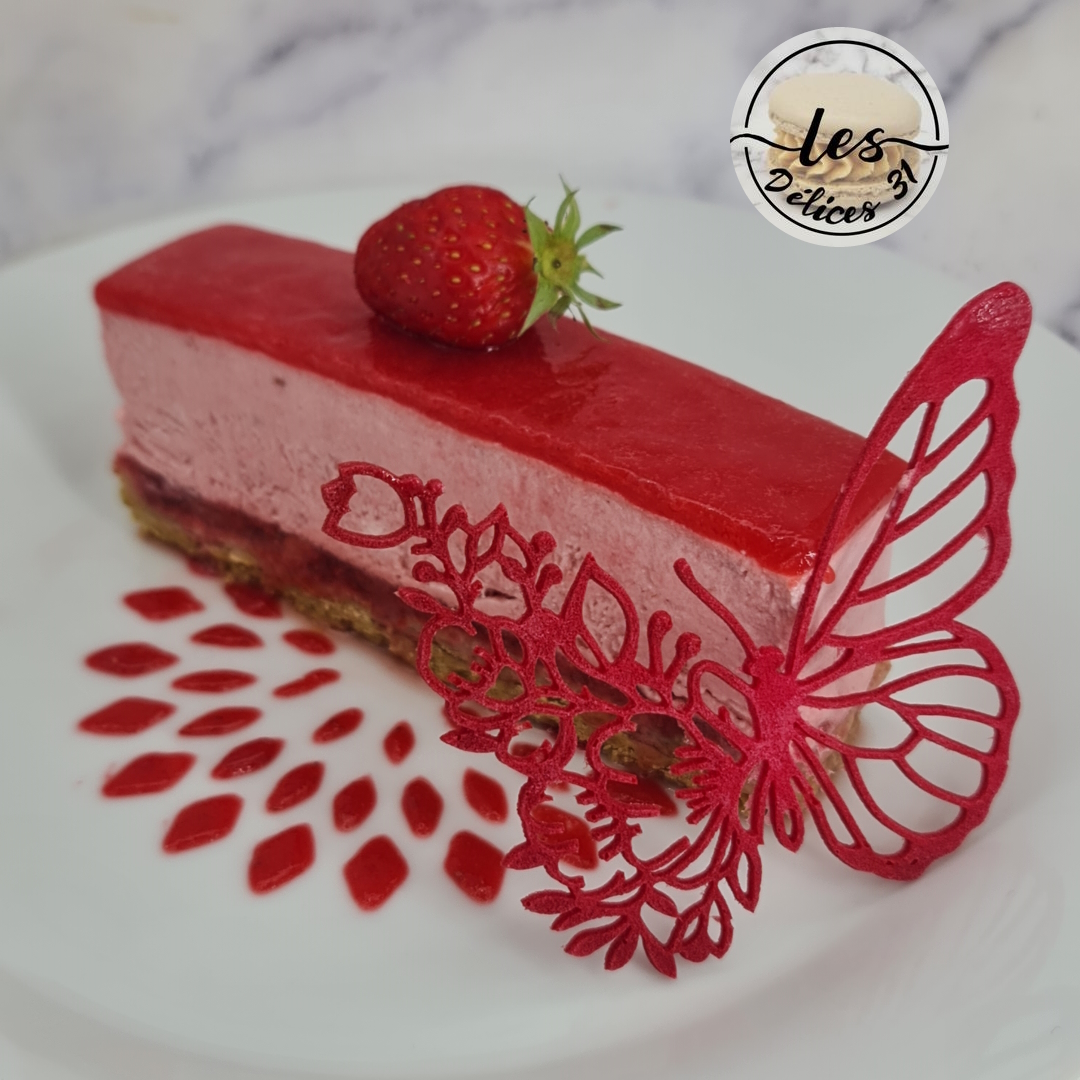
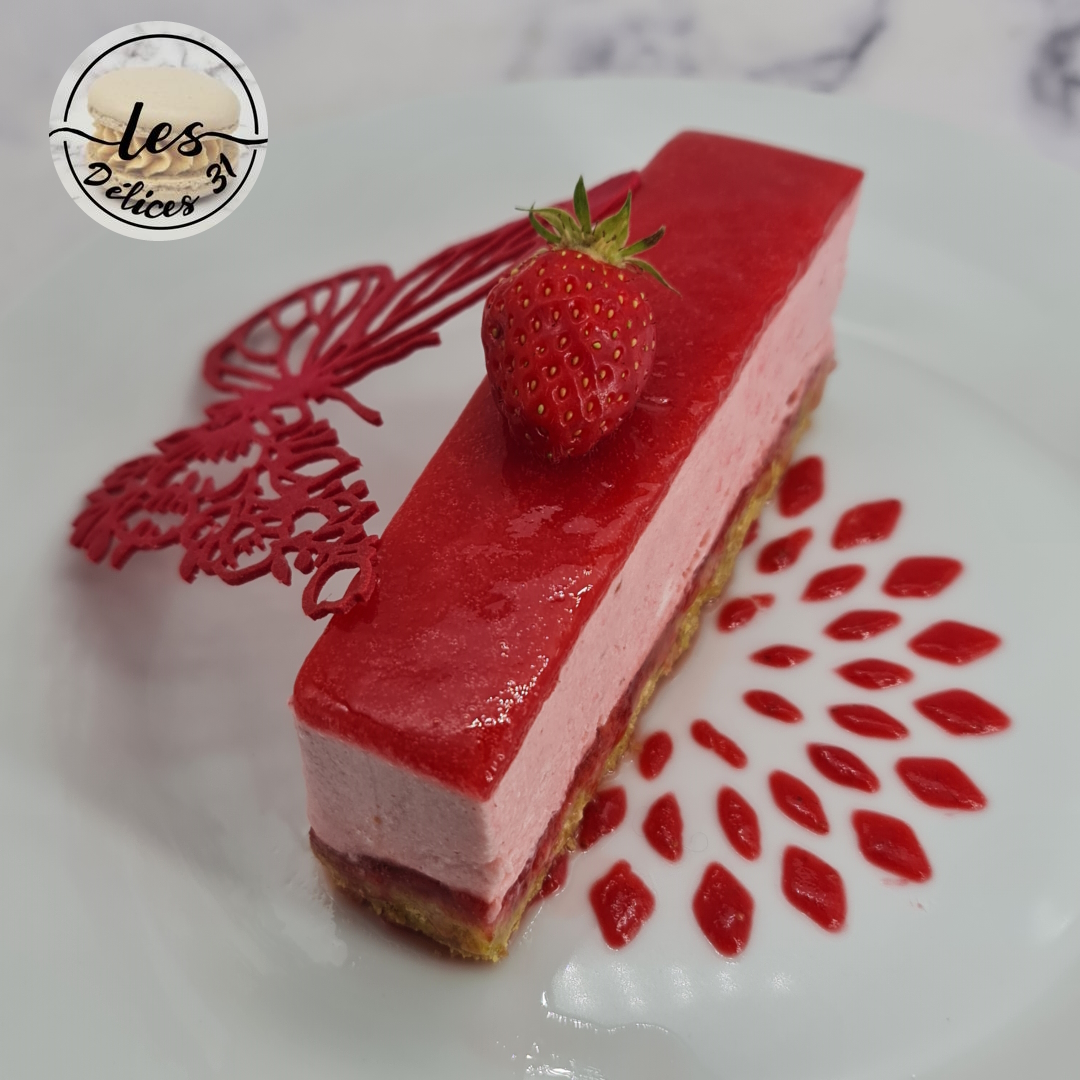
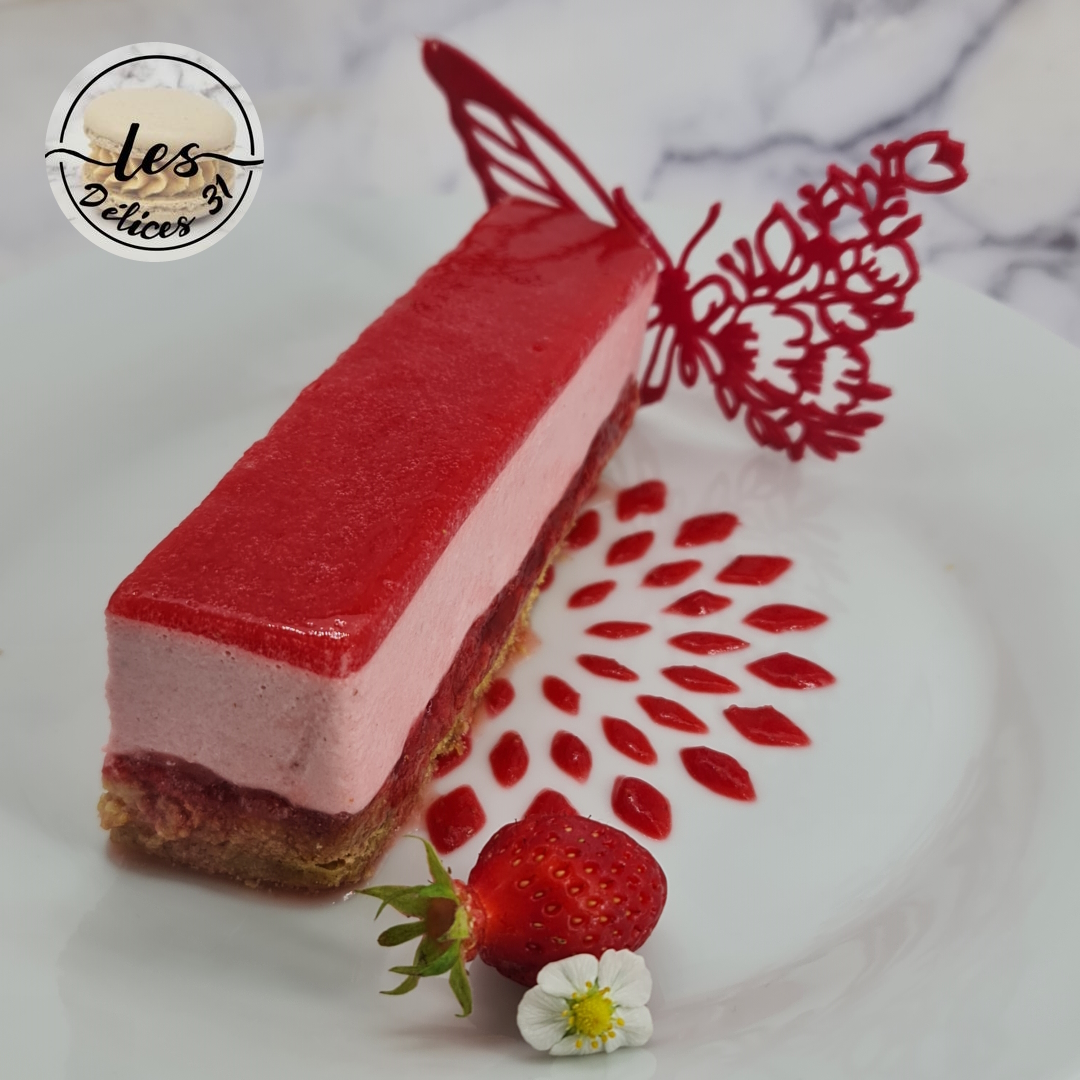
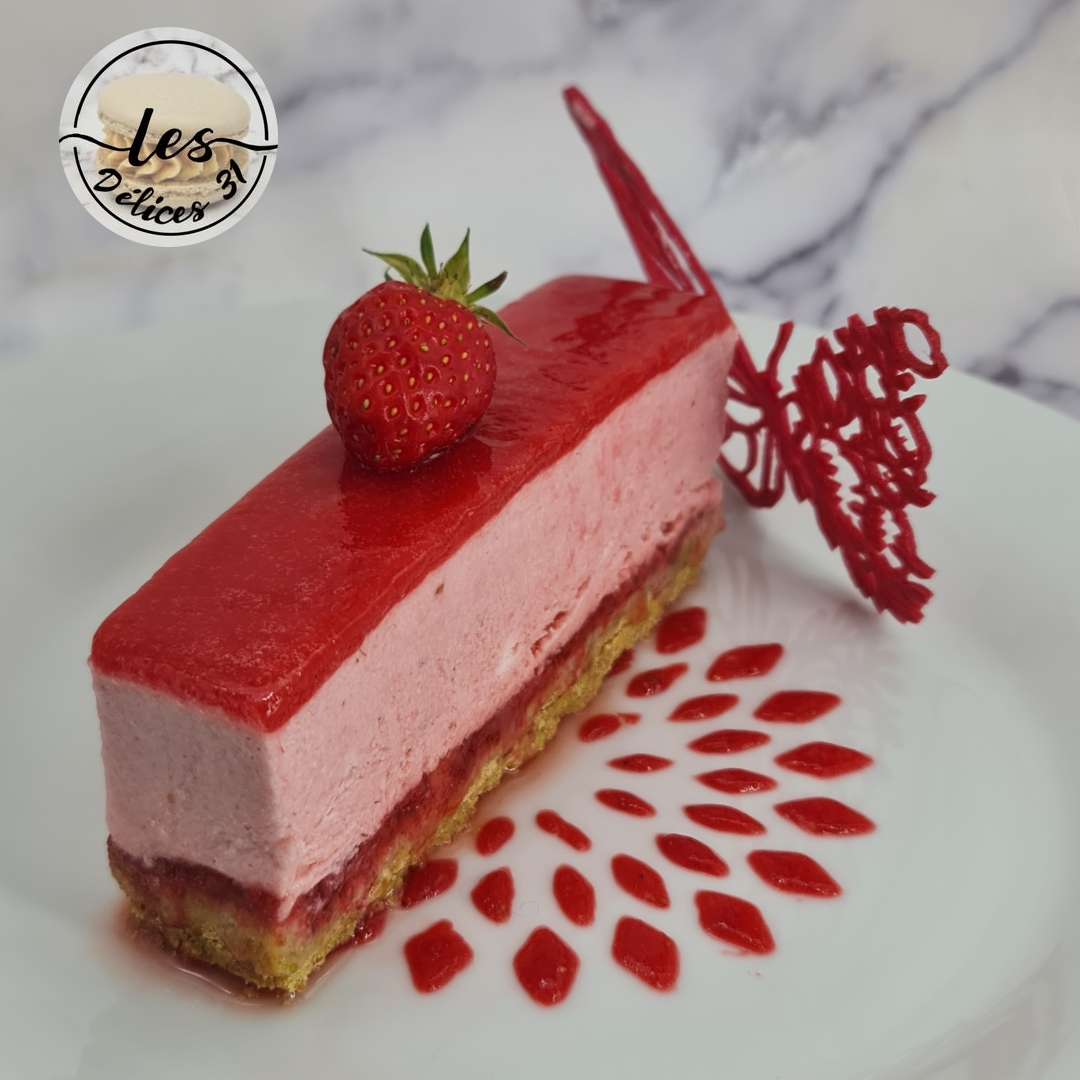
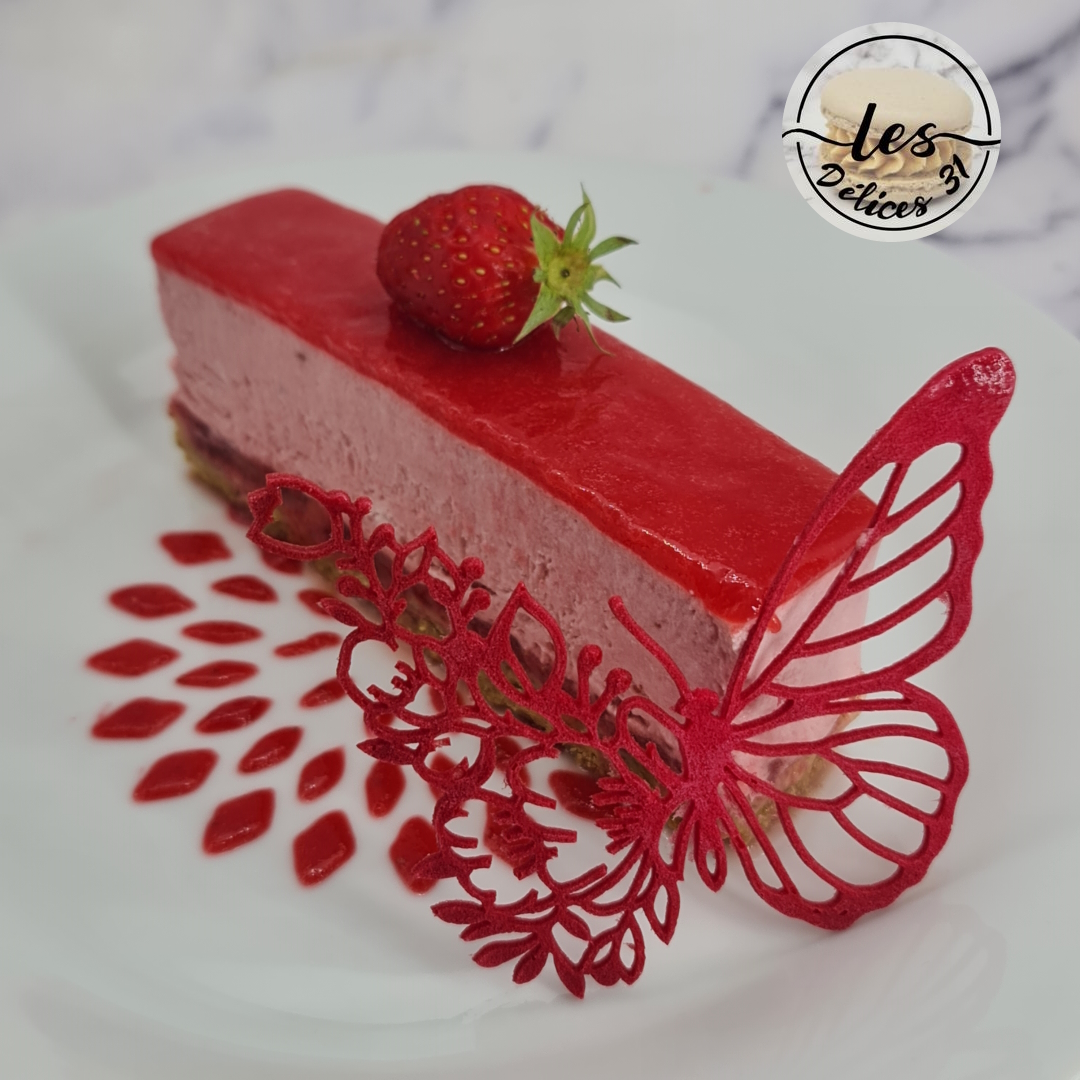
Strawberry mousse ✔90g blended and strained strawberries ✔10g sugar ✔50g single cream ✔1.5g gelatine
Soak the gelatine in very cold water.
Heat the strawberry purée (blended strawberries) and sugar, then remove from the heat and stir in the squeezed gelatine. Leave to cool until the temperature is below 30°C.
In a separate bowl, whip the remaining single cream with an electric mixer, then fold it into the cooled mixture (which should be below 35°C).
Assembly
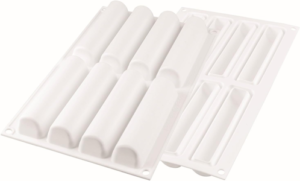
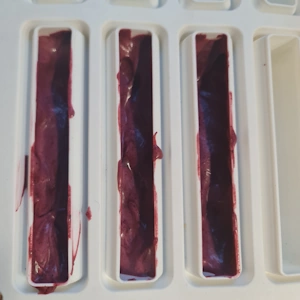
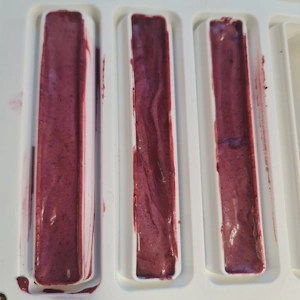
Fill the silicone mould with strawberry mousse. Chill for at least 4 hours until the jelly has set, then place in the freezer.
In a small bowl, mix the caster sugar and NH pectin.
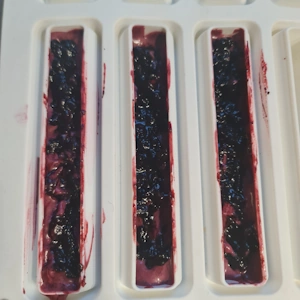
In a saucepan, heat the 60g of blended strawberries for a few minutes. Add the sugar and pectin mixture and continue cooking for 2 minutes, stirring constantly. Remove from the heat and add a little red food colouring, as the strawberries lose their colour during cooking. Stir. Set aside to cool slightly.
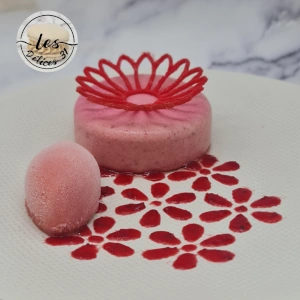
Mix all the ingredients together. Fill the lace-patterned tuile mould. Smooth the surface with an offset spatula to remove any excess. Bake in a preheated oven at 170°C for 6–8 minutes (this may vary depending on your oven). Remove from the mould immediately after taking out of the oven. Be careful, as they harden very quickly and become brittle. Handle with care. Set aside until ready to plate up.
Dressage
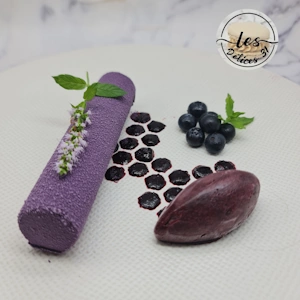
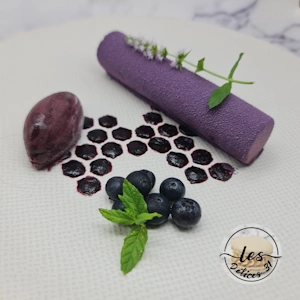
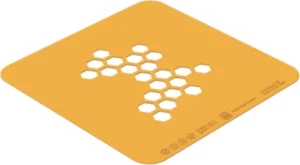
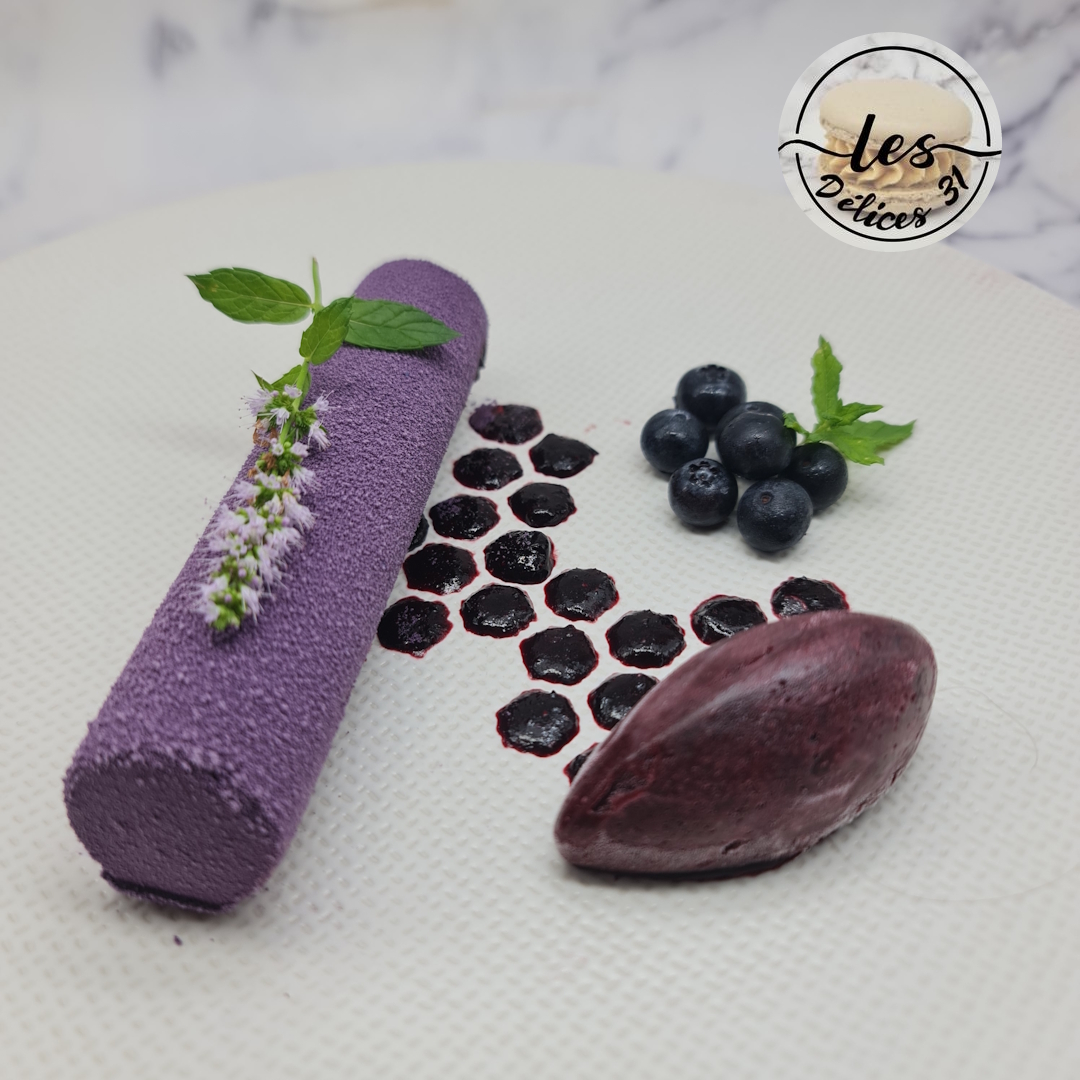
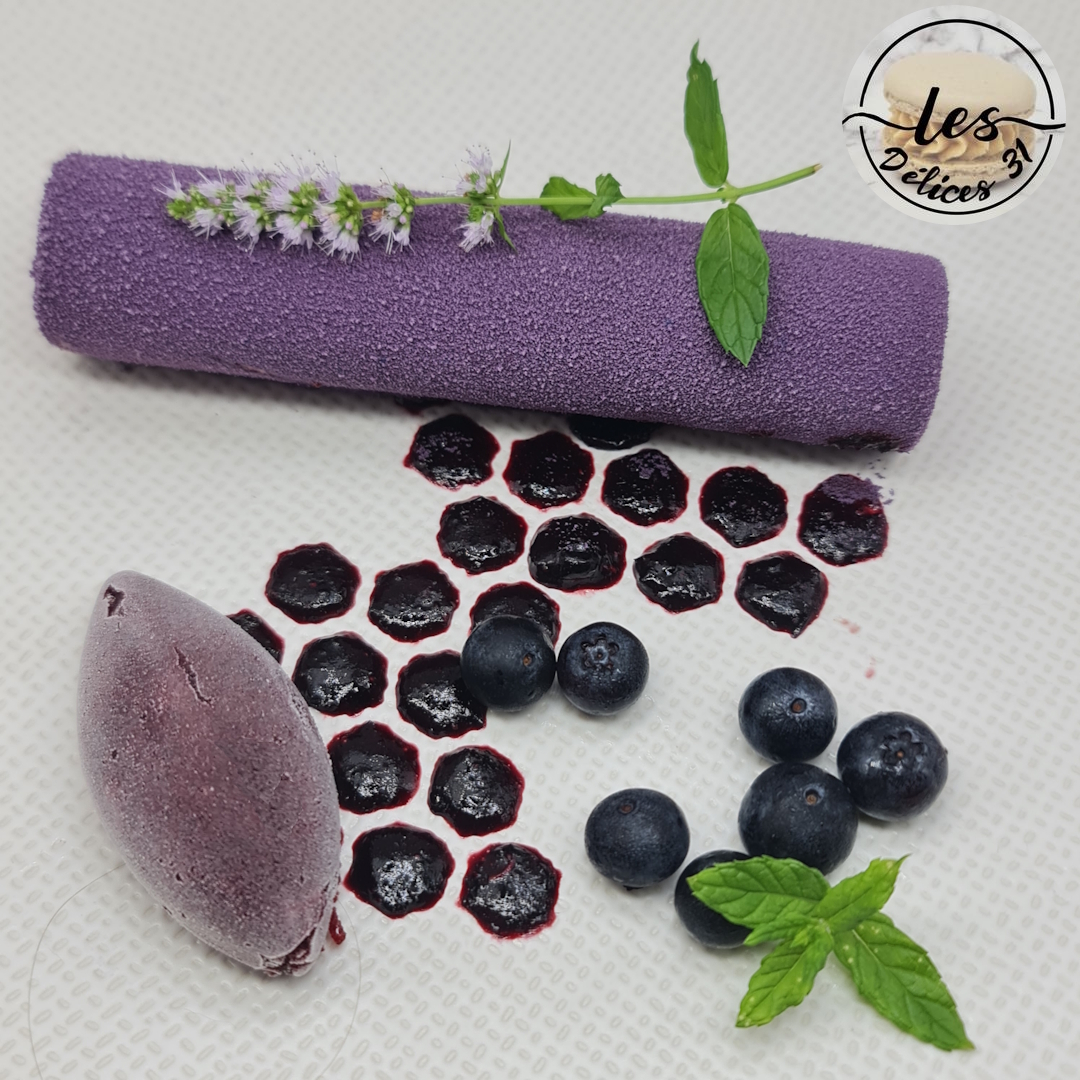
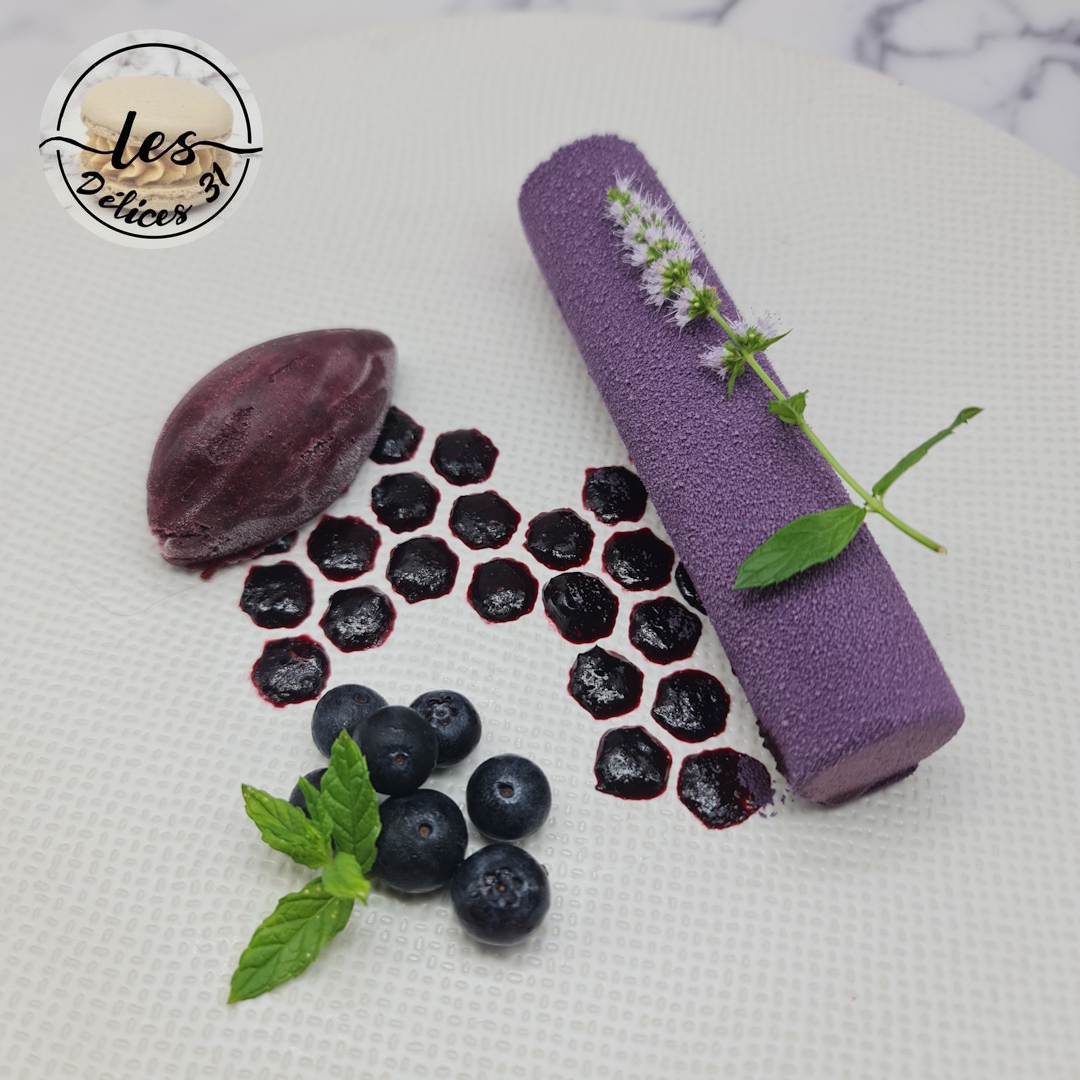
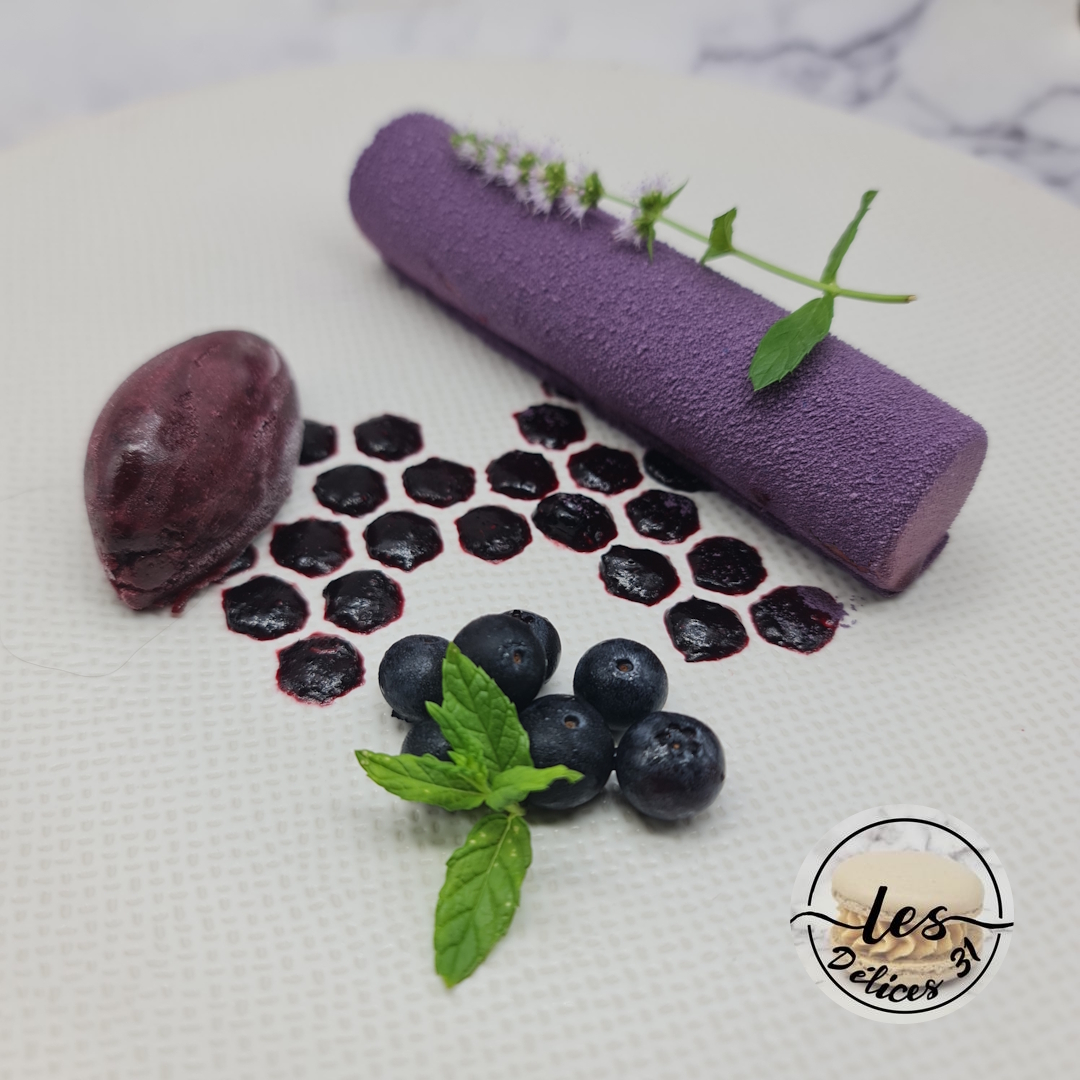
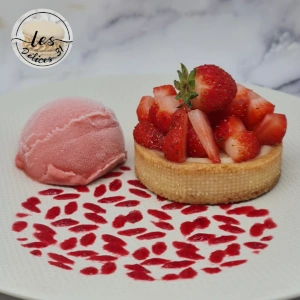
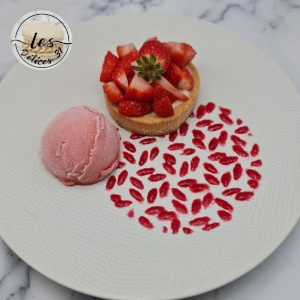
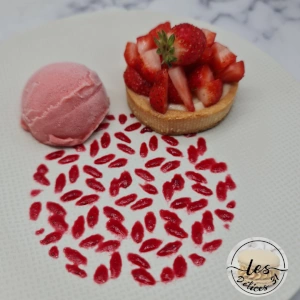
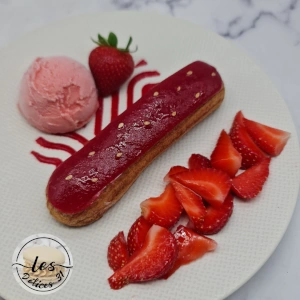
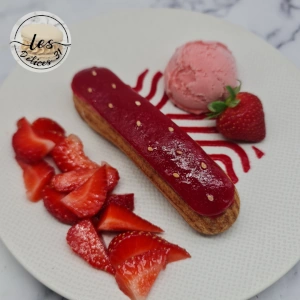
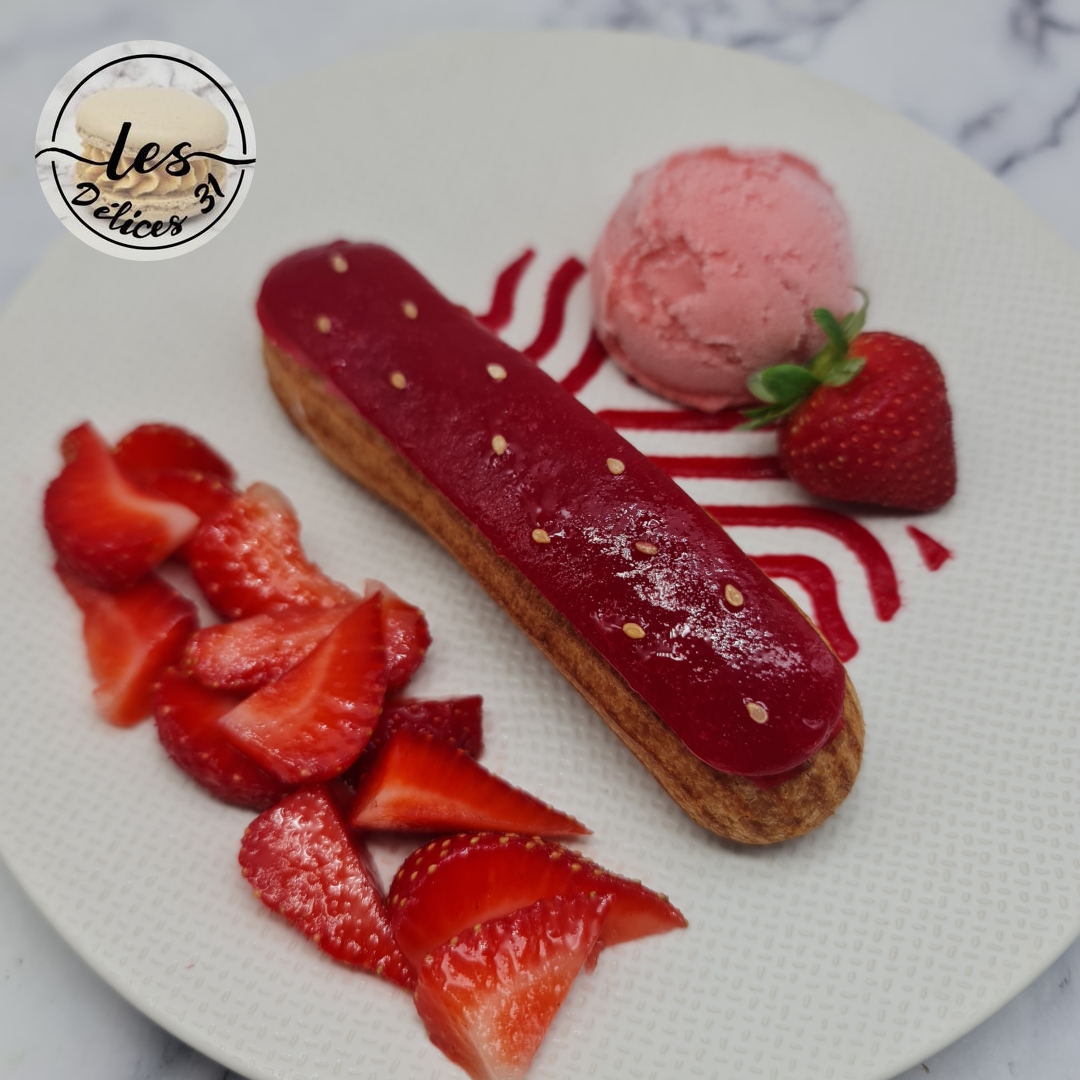
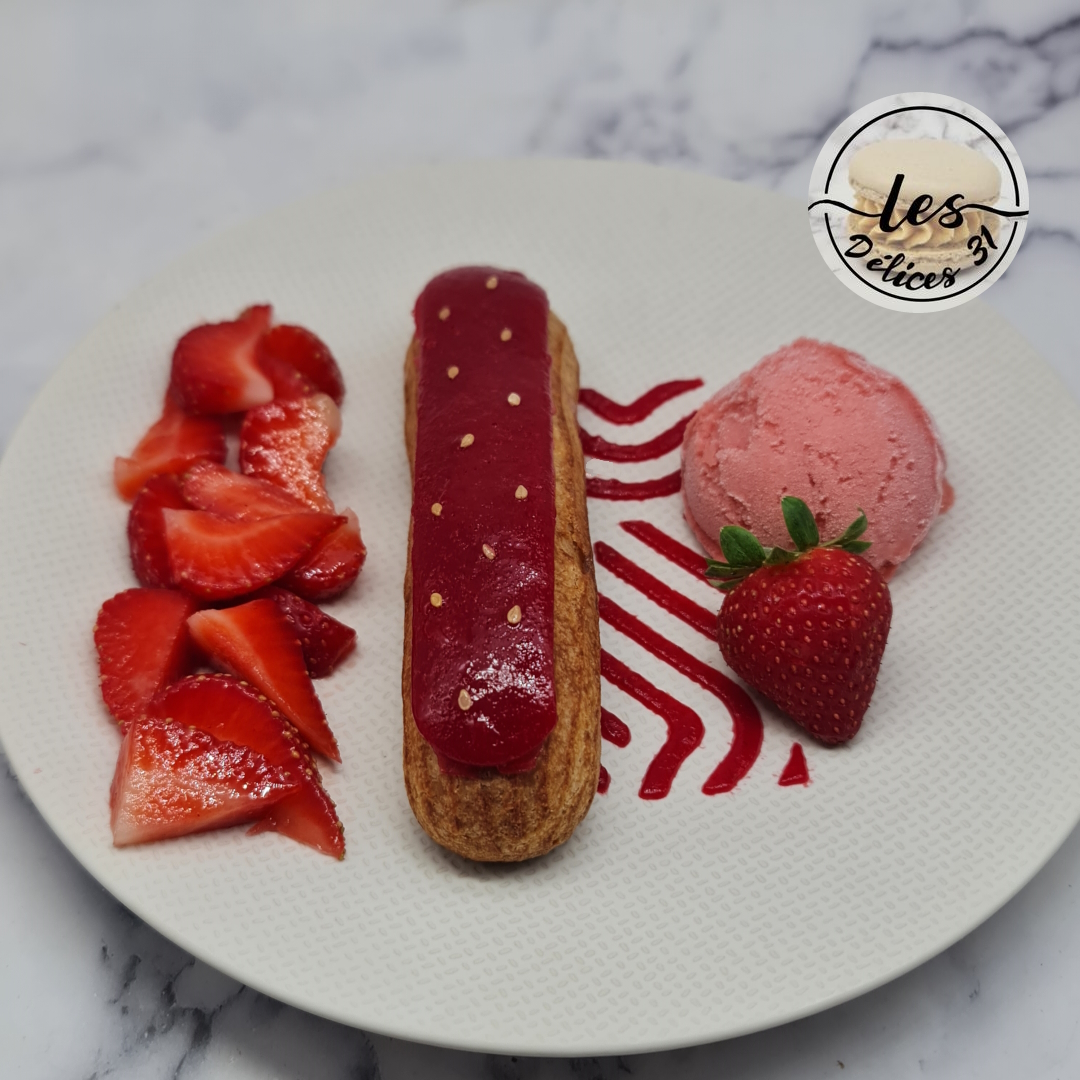
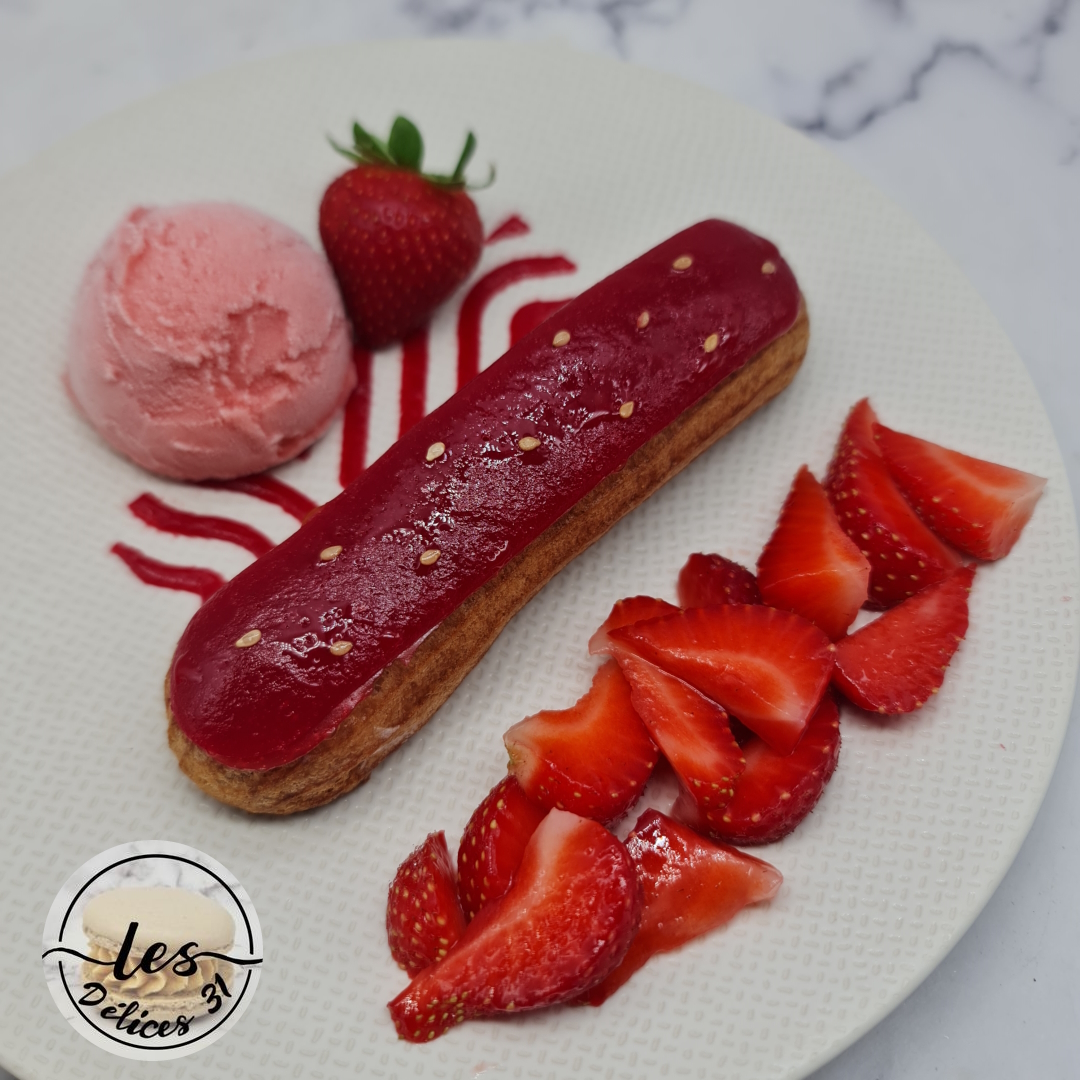
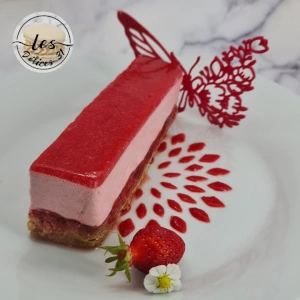
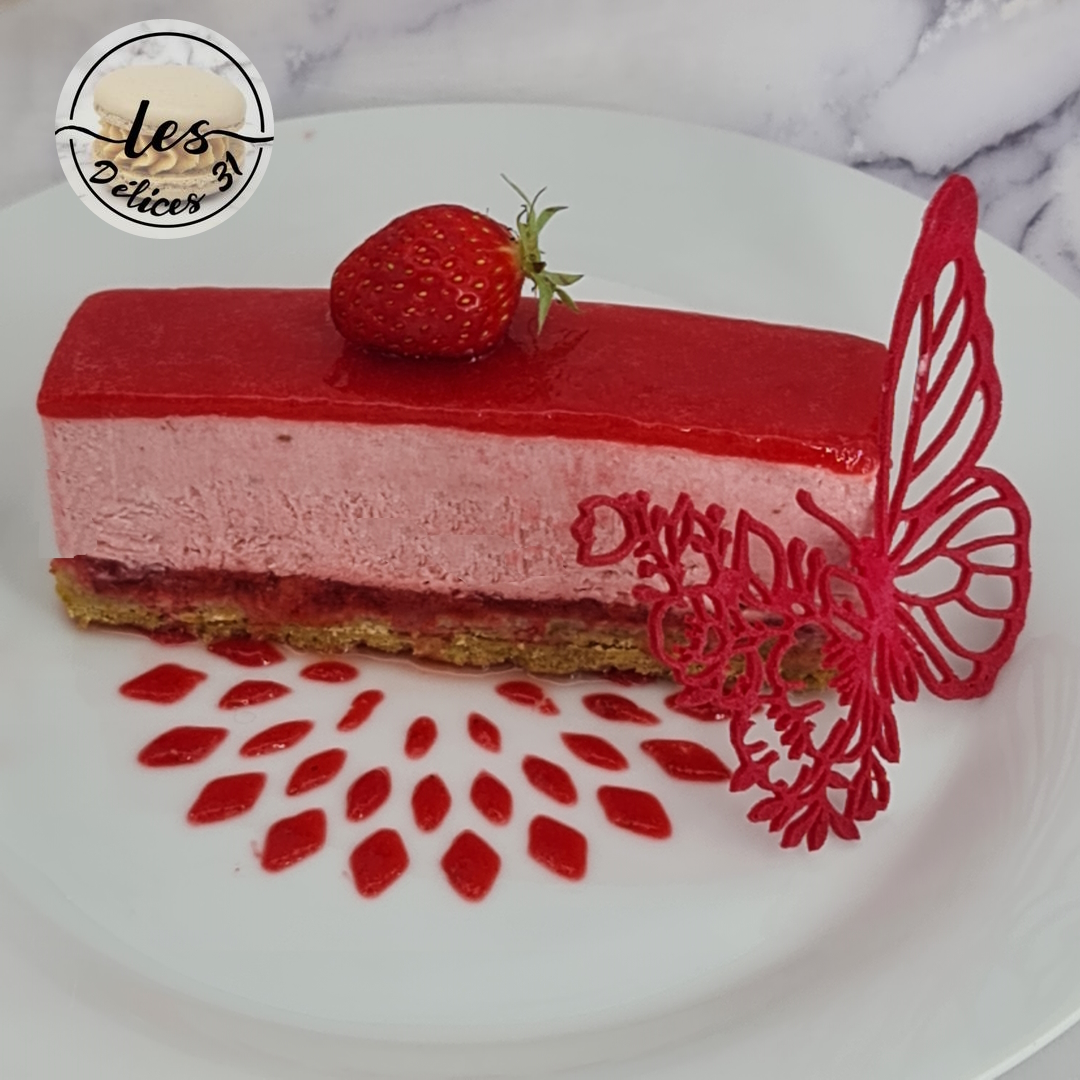
Using the Silikomart Honey stencil, spoon the compote onto each serving plate. Turn out the strawberry bars and place them quickly onto the plates. Chill until ready to serve.
Just before serving, place the tuile and a scoop of strawberry sorbet on top.